Maintaining a new record player is crucial for optimal sound quality and longevity, involving both daily and periodic tasks. Consistent care, such as cleaning records before each play and ensuring proper stylus maintenance, prevents dust buildup and wear, which can otherwise lead to distorted sound, skipping records, and damage to components like the stylus and motor. Regular maintenance ensures your equipment performs optimally and protects your vinyl collection.
An Overview of Record Player Maintenance
Maintaining your record player is a foundational practice for any vinyl enthusiast. At its core, record player maintenance involves a series of steps designed to preserve both the player’s mechanical integrity and the pristine quality of your records. Neglecting these tasks can lead to issues ranging from distorted sound and skipping records to premature wear of crucial components like the stylus and motor. Regular maintenance ensures optimal performance, extends the lifespan of your equipment, and protects your cherished vinyl collection from damage. Understanding the basic components that require attention, such as the platter, tonearm, stylus, and motor, is the first step towards a healthy listening habit.
Essential Daily and Weekly Maintenance
Consistent, routine maintenance is the bedrock of a long and joyful relationship with your record player. These simple steps, performed regularly, prevent the buildup of contaminants that can degrade sound quality and harm your equipment. Making them a part of your listening routine will significantly impact the longevity and performance of your system.
Before each play, gently brush your records with a dedicated anti-static record brush. This removes surface dust and debris that can cause pops, clicks, and excessive stylus wear. A clean record ensures that the stylus tracks smoothly within the grooves, delivering the purest sound possible. After playing, always place your records back in their sleeves to protect them from dust and static charges.
Equally important is the care of your stylus, the tiny tip that reads the intricate grooves of your records. Dust and debris can accumulate on the stylus, leading to muffled sound or even damage to your records. Use a high-quality stylus brush, moving it gently from back to front across the stylus tip, never side to side. Some enthusiasts also use specialized stylus cleaning fluid for a deeper clean, but always follow the manufacturer’s instructions.
When your record player is not in use, keep the dust cover closed. This simple action is one of the most effective ways to prevent airborne dust particles from settling on the platter, tonearm, and stylus. While seemingly minor, consistent dust protection can save you from more intensive cleaning down the line and safeguard the delicate components of your record player.
Deeper Dive: Periodic Maintenance
Beyond the daily routine, certain maintenance tasks should be performed periodically to keep your record player in peak condition. These less frequent but crucial steps address mechanical aspects that contribute significantly to sound accuracy and overall system health. Understanding and performing these checks will help maintain your record player’s intricate balance and prevent common issues.
One of the most critical adjustments is ensuring your cartridge is correctly aligned and the tracking force is set accurately. Improper alignment can cause distorted sound and uneven wear on both your stylus and records. You can use an alignment protractor to set the cartridge angle precisely and a digital stylus force gauge to verify the tracking force, usually specified in your record player’s manual. These tools ensure the stylus sits perfectly in the record groove, optimizing sound quality and minimizing wear.
If your record player uses a belt-drive system, inspecting the drive belt periodically is essential. Over time, belts can stretch, crack, or degrade, leading to inconsistent platter speed, which manifests as pitch fluctuations in your music. Gently remove the platter and visually inspect the belt for any signs of wear. If it appears loose, cracked, or sticky, it’s time for a replacement. Always use a belt specified for your particular record player model.
Some older or more complex record players might require occasional lubrication of specific moving parts, such as the platter bearing. Consult your record player’s manual to determine if lubrication is necessary and which type of lubricant is recommended. Applying the wrong lubricant or over-lubricating can cause more harm than good, so precision is key.
A common issue experienced by record player owners is a persistent hum, often caused by grounding problems. Ensure all audio cables are securely connected and that your record player is properly grounded to your amplifier or receiver. Sometimes, experimenting with different grounding points or a dedicated ground wire can resolve the hum.> “Consistent and precise maintenance is not just about extending the life of your equipment; it’s about preserving the purity of the analog sound, which is, for many, the very soul of music listening.” – Dr. Elara Vance, Audio Engineering Specialist
Common Problems and Troubleshooting
Even with diligent maintenance, issues can occasionally arise. Knowing how to identify and address common record player problems can save you from frustration and potentially expensive repairs. Many issues have straightforward solutions that you can implement yourself.
Skipping Records: If your record player is skipping, first check the record for visible dust, debris, or scratches. Ensure the record player is perfectly level, using a spirit level if necessary. Incorrect tracking force or anti-skate settings can also cause skipping; refer to your manual to re-calibrate these. A worn or dirty stylus is another common culprit, so clean or replace it if needed.
Muffled or Distorted Sound: Muffled or distorted audio often points to a dirty or worn-out stylus. A thorough cleaning might resolve it, but if the issue persists, a new stylus is likely required. Improper cartridge alignment or damaged cables can also contribute to poor sound quality, so inspect all connections and verify your alignment.
Humming or Buzzing Noise: As mentioned, a persistent hum is usually a grounding issue. Double-check all ground connections between the record player and your amplifier. Sometimes, electrical interference from other devices can cause a buzz, so try moving your record player away from other electronics or using a surge protector with noise filtering.
Inconsistent Speed (Wow and Flutter): If your music sounds too fast, too slow, or fluctuates in pitch, it’s often a sign of belt degradation in belt-drive players. Replace the belt if it’s stretched or worn. For direct-drive record players, this might indicate an issue with the motor or speed control mechanism, which might require professional servicing.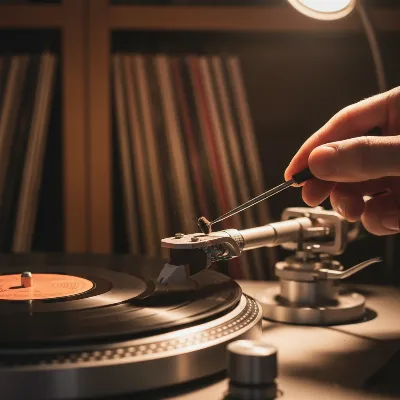 A close-up shot of a record player's tonearm and stylus, with a focus on a person gently cleaning the stylus tip using a specialized brush. The background shows a dimly lit room with vinyl records on a shelf, conveying a sense of careful maintenance and audiophile dedication. Soft, directional lighting highlights the delicate components.
Protecting Your Investment: Storage and Environment
Beyond the mechanics of the record player itself, the environment in which it operates and how you store your records significantly impact its overall health and the longevity of your vinyl collection. Thoughtful consideration of these factors can prevent irreversible damage.
Proper record storage is paramount. Always store records upright, never flat, to prevent warping. Use high-quality inner sleeves to protect the vinyl from dust and static, and keep them within their original album covers. Store your collection in a cool, dry place, away from direct sunlight, heat sources, and extreme temperature fluctuations. High humidity can encourage mold growth on records, while excessive heat can cause them to warp permanently.
The location of your record player also matters. Place it on a stable, level surface to minimize vibrations that can interfere with tracking and sound quality. Avoid placing it near speakers, as vibrations can feed back into the stylus, causing unwanted resonance. Keep it out of direct sunlight to prevent heat damage to plastic components and to protect your dust cover from becoming brittle or discolored. A consistent room temperature and moderate humidity are ideal for both your record player and your vinyl collection.
Buying Guide: Maintenance Tools and Accessories
Equipping yourself with the right maintenance tools is crucial for preserving your record player and vinyl collection. Investing in quality accessories will make your maintenance routine more effective and enjoyable. Here’s a look at essential tools you should consider:
| Tool/Accessory | Purpose | Key Features |
|---|---|---|
| Anti-static Record Brush | Removes surface dust and static from records before playback. | Fine carbon fiber bristles, ergonomic handle. |
| Stylus Cleaning Brush | Gently removes debris from the stylus tip. | Ultra-fine bristles, often dry-use. |
| Stylus Cleaning Fluid | Provides a deeper clean for the stylus. | Non-abrasive, evaporates quickly, safe for stylus materials. |
| Digital Stylus Force Gauge | Accurately measures tracking force for optimal performance. | LCD display, precise measurements (0.01g increments). |
| Cartridge Alignment Protractor | Ensures correct cartridge alignment on the tonearm. | Various types (Baerwald, Stevenson, Lofgren), durable material. |
| Record Cleaning Solution | For deep cleaning dirty or used records. | Specially formulated, removes grime without damaging vinyl. |
| Inner Record Sleeves | Protects records from dust, scratches, and static inside covers. | Anti-static, archival quality (e.g., polyethylene, rice paper). |
| Spirit Level | Ensures the record player is perfectly level. | Small, accurate, essential for proper tracking. |
Each of these tools plays a specific role in keeping your record player and vinyl in top condition. From the simple anti-static brush that should be used before every play to the more specialized alignment protractor for periodic adjustments, having the right kit makes maintenance a breeze. High-quality inner sleeves are a small investment that offers significant protection for your valuable records, preventing damage and preserving their sound quality for decades.
Conclusion
Caring for your record player is a rewarding endeavor that deepens your connection to the music and ensures your system continues to deliver that beloved analog warmth. From the simple act of dusting your records before each spin to the more intricate task of adjusting your tracking force, every maintenance step contributes to a superior listening experience and the longevity of your cherished equipment. By embracing these essential tips, you’re not just maintaining a machine; you’re preserving an art form and ensuring the soundtrack of your life plays on with pristine clarity. What’s your favorite part of the record player maintenance ritual?
Frequently Asked Questions
How often should I clean my records?
|
Our Picks for the Best Record Player in 2026
As an Amazon Associate I earn from qualifying purchases.
|
||
| Num | Product | Action |
|---|---|---|
| 1 | Victrola Journey Bluetooth Portable Suitcase Record Player – with Built-in Speakers, 3 Speed Vinyl Record Player, RCA Out, Headphone Jack (Smoky Blue) |

|
| 2 | Vinyl Record Player with Dual Stereo Bookshelf Speakers Vintage Turntable with Bluetooth Wireless Playback Belt Drive 3-Speed Playback Record Player Support RCA Out Auto Stop |
|
| 3 | Vintage Record Player with External Speakers Belt-Drive Turntable for Vinyl Records Dual Stereo Speakers LP Players Support 3 Speed 3 Size Wireless Playback AUX Headphone Input Auto Stop Wood Red |
|
| 4 | Vinyl Record Player 3-Speed Bluetooth Suitcase Portable Belt-Driven Record Player with Built-in Speakers RCA Line Out AUX in Headphone Jack Vintage Turntable |
|
| 5 | Audio-Technica AT-LP60X-BK Fully Automatic Belt-Drive Stereo Turntable, Black, Hi-Fi, 2 Speed, Dust Cover, Anti-Resonance, Die-Cast Aluminum Platter |
|
| 6 | Vinyl Record Player with Speakers Vintage Turntable for Vinyls Records Belt-Driven Turn Table Support 3-Speed, Wireless Playback, Headphone, AUX-in, RCA Line LP Phonograph for Sound Enjoyment Black |
|
| 7 | Audio-Technica AT-LP60X-GM Fully Automatic Belt-Drive Stereo Turntable, Gunmetal/Black, Hi-Fidelity, Plays 33-1/3 and 45 RPM Vinyl Records, Dust Cover, Anti-Resonance, Die-Cast Aluminum Platter |
|
| 8 | Victrola The Quincy 6-in-1 Bluetooth Record Player & Multimedia Center with Built-in Speakers – 3-Speed Turntable, CD & Cassette Player, AM/FM Radio, Wireless Music Streaming (Mahogony) |
|
| 9 | Vinyl Record Player Turntable with Built-in Bluetooth Receiver & 2 Stereo Speakers, 3 Speed 3 Size Portable Retro Record Player for Entertainment and Home Decoration |
|
| 10 | SoulBox S1 Vinyl Record Player with Stereo Speakers, Turntable with Built-in Preamp, S-Shaped Tonearm, 33/45 RPM - Walnut |
|
You should lightly brush your records with an anti-static brush before every play to remove surface dust. For a deeper clean, especially for used or heavily played records, consider using a record cleaning solution and cloth once a month or as needed to remove stubborn grime.
What happens if I don’t clean my stylus?
A dirty stylus will accumulate dust and debris, which can lead to distorted or muffled sound, increased surface noise (pops and clicks), and potentially cause your records to wear out faster due to improper tracking. Regular stylus cleaning is crucial for optimal sound and longevity.
Can I use household cleaners on my record player?
No, it is strongly advised against using household cleaners. Many contain chemicals that can damage the delicate surfaces and components of your record player, including plastics, finishes, and the vinyl itself. Always use specialized record player cleaning solutions or a soft, dry microfiber cloth for dusting.
How do I know if my record player’s belt needs replacing?
Signs that your belt may need replacing include inconsistent platter speed, noticeable “wow” or “flutter” (pitch variations) in the music, or if the belt appears visibly stretched, cracked, or loose upon inspection. A simple visual check when the platter is removed can often confirm its condition.
Is it necessary to level my record player?
Yes, absolutely. A record player that isn’t perfectly level can cause the tonearm to track unevenly, leading to skipping, distorted sound, and premature wear on both your stylus and records. Always ensure your record player is on a stable, flat surface, using a spirit level for precise adjustment.
Maintain Your Record Player for Optimal Performance
Follow these steps to ensure your record player delivers crystal-clear sound and lasts for years, protecting both your equipment and your vinyl collection.
Before every play, gently brush your records with a dedicated anti-static record brush. This removes surface dust and debris, preventing pops, clicks, and excessive stylus wear. After playing, always return records to their sleeves.
Use a high-quality stylus brush, moving it gently from back to front across the stylus tip to remove dust and debris. This prevents muffled sound and potential damage to your records. Consult your manufacturer's instructions for specialized stylus cleaning fluid.
When your record player is not in use, keep the dust cover closed. This simple action effectively prevents airborne dust particles from settling on the platter, tonearm, and stylus, safeguarding delicate components.
Ensure your cartridge is correctly aligned and tracking force is accurately set using an alignment protractor and a digital stylus force gauge. Improper settings can cause distorted sound and uneven wear on your stylus and records. Refer to your record player's manual for specific values.
For belt-drive systems, periodically inspect the drive belt for stretching, cracks, or degradation. A worn belt leads to inconsistent platter speed and pitch fluctuations. Replace the belt with one specified for your model if it shows signs of wear.

As someone who just got into vinyl, I was a bit overwhelmed with how to properly care for my new record player. This guide broke down the daily and periodic tasks perfectly. I especially appreciated the explanation of how neglecting maintenance can lead to distorted sound and skipping records. It’s given me the confidence to keep my equipment performing optimally.
Good overview, but I was hoping for a bit more detail on specific cleaning products or tools. It mentions preventing dust buildup, which is key, but some brand recommendations for brushes or solutions would have been useful. Still, the general advice on consistent care is solid and a good reminder for new enthusiasts.
This was super helpful for understanding the periodic tasks involved in keeping my turntable in top shape. I always cleaned my records, but I hadn’t really thought about stylus maintenance beyond just a quick brush. The advice on checking for wear and replacing it regularly is something I’m going to be much more diligent about now. My setup is sounding great.
I’ve been looking for a good guide on record player maintenance for ages, and this really hit the mark. The tip about cleaning records before each play has made such a difference in preventing dust buildup. My older albums sound so much clearer now, and I’m not hearing nearly as many pops and crackles. Definitely a must-read for anyone serious about their vinyl.