In an era dominated by digital music, the allure of vinyl remains steadfast, offering a tactile and uniquely warm auditory experience. For many, the journey into the world of analog sound begins with a pivotal decision: choosing the right record player. The Fluance RT81 turntable often emerges as a compelling option, promising a harmonious blend of classic aesthetics, user-friendly features, and impressive sound quality without breaking the bank. This comprehensive review dives deep into the RT81, exploring its design, performance, and value, helping you navigate the options to find your perfect entry into high-fidelity vinyl listening.
An Overview of Record Players
A record player, often interchangeably called a turntable, is an electromechanical device designed to reproduce sounds from grooved vinyl records. Its history dates back to Thomas Edison’s phonograph, evolving significantly over decades from purely mechanical devices to sophisticated electronic systems. Modern record players combine traditional analog principles with contemporary engineering to deliver rich, uncompressed audio.
The core components of any record player include the platter, which supports and rotates the vinyl record; the tonearm, a balanced arm that holds the cartridge; and the cartridge, housing the stylus (needle) that tracks the record’s grooves. These vibrations are then converted into electrical signals and sent to a phono preamplifier, which boosts the signal, and finally to an amplifier and speakers. Record players primarily fall into categories like manual, semi-automatic, or fully automatic, and can be belt-drive or direct-drive, each influencing performance and user interaction.
Choosing the Perfect Record Player: A Comprehensive Guide
Selecting a record player can seem daunting given the array of choices available. The key is to align the turntable’s capabilities with your personal preferences and listening habits. Understanding what truly matters will guide you to a satisfying purchase.
Defining Your Needs
|
Our Picks for the Best Record Player in 2026
As an Amazon Associate I earn from qualifying purchases.
|
||
| Num | Product | Action |
|---|---|---|
| 1 | Victrola The Quincy 6-in-1 Bluetooth Record Player & Multimedia Center with Built-in Speakers – 3-Speed Turntable, CD & Cassette Player, AM/FM Radio, Wireless Music Streaming (Mahogony) |

|
| 2 | Audio-Technica AT-LP60X-BK Fully Automatic Belt-Drive Stereo Turntable, Black, Hi-Fi, 2 Speed, Dust Cover, Anti-Resonance, Die-Cast Aluminum Platter |
|
| 3 | SoulBox S1 Vinyl Record Player with Stereo Speakers, Turntable with Built-in Preamp, S-Shaped Tonearm, 33/45 RPM - Walnut |
|
| 4 | Victrola Journey Bluetooth Portable Suitcase Record Player – with Built-in Speakers, 3 Speed Vinyl Record Player, RCA Out, Headphone Jack (Smoky Blue) |
|
| 5 | Vinyl Record Player Turntable with Built-in Bluetooth Receiver & 2 Stereo Speakers, 3 Speed 3 Size Portable Retro Record Player for Entertainment and Home Decoration |
|
| 6 | Vinyl Record Player with Speakers Vintage Turntable for Vinyls Records Belt-Driven Turn Table Support 3-Speed, Wireless Playback, Headphone, AUX-in, RCA Line LP Phonograph for Sound Enjoyment Black |
|
| 7 | Vinyl Record Player 3-Speed Bluetooth Suitcase Portable Belt-Driven Record Player with Built-in Speakers RCA Line Out AUX in Headphone Jack Vintage Turntable |
|
| 8 | Audio-Technica AT-LP60X-GM Fully Automatic Belt-Drive Stereo Turntable, Gunmetal/Black, Hi-Fidelity, Plays 33-1/3 and 45 RPM Vinyl Records, Dust Cover, Anti-Resonance, Die-Cast Aluminum Platter |
|
| 9 | Vinyl Record Player with Dual Stereo Bookshelf Speakers Vintage Turntable with Bluetooth Wireless Playback Belt Drive 3-Speed Playback Record Player Support RCA Out Auto Stop |
|
| 10 | Vintage Record Player with External Speakers Belt-Drive Turntable for Vinyl Records Dual Stereo Speakers LP Players Support 3 Speed 3 Size Wireless Playback AUX Headphone Input Auto Stop Wood Red |
|
Before diving into specifications, consider where and how you plan to enjoy your vinyl collection. Are you setting up a dedicated listening station in a living room, or do you need a compact solution for a bedroom? The genre of music you prefer can also subtly influence your choice; some turntables excel with dynamic rock, while others shine with the delicate nuances of classical or jazz. Crucially, establish a realistic budget, as this will narrow down your options significantly and help prioritize features.
Essential Factors to Consider
Several critical elements contribute to a record player’s overall performance and your enjoyment. Prioritizing these factors ensures you invest in a system that genuinely meets your expectations.
The sound quality is paramount, encompassing the precision, detail retrieval, and overall frequency response. A good turntable should reproduce music faithfully, capturing the warmth and depth inherent in vinyl. Design and build quality are not just about aesthetics; the materials used, like a sturdy plinth and well-engineered tonearm, directly impact durability and vibration resistance, which in turn affect sound clarity. Modern turntables also offer various features, such as built-in phono preamps for direct connection to active speakers, Bluetooth for wireless streaming, or USB outputs for digitizing your vinyl. Lastly, consider the brand reputation for reliability, customer support, and potential upgrade paths, as this ensures long-term satisfaction with your purchase.
Fluance RT81 Turntable: A Detailed Comparison with Popular Models
The Fluance RT81 has carved out a niche as a highly recommended entry-level turntable, praised for its balance of performance and affordability. To fully appreciate its standing, it’s beneficial to compare it against other popular models in similar price brackets.
Detailed Comparison Table
| Feature | Fluance RT81 | Audio-Technica AT-LP120XUSB | Pro-Ject Debut Carbon EVO |
|---|---|---|---|
| Price (Approx.) | $250 – $350 | $350 – $400 | $500 – $600 |
| Drive System | Belt Drive | Direct Drive | Belt Drive |
| Cartridge | Audio-Technica AT95E/AT-VM95E | AT-VM95E | Ortofon 2M Red |
| Tonearm | S-Type Aluminum | S-Type Aluminum | Carbon Fiber |
| Platter | Aluminum with Rubber Mat | Die-cast Aluminum | Steel with TPE damping |
| Built-in Preamp | Yes (Switchable) | Yes (Switchable) | No |
| Auto Features | Auto-stop | Manual | Manual |
| USB Output | No | Yes | No |
| Bluetooth | No | No | Optional (BT model) |
| Plinth Material | MDF (High-gloss veneer) | Die-cast Aluminum / MDF | MDF (8 layers of paint) |
| Isolation | Rubber isolation feet | Heavy base | Height adjustable damped feet |
| Pros | Excellent value, easy setup, quality cartridge, aesthetic, built-in preamp, auto-stop | Feature-rich, direct drive, good for DJing, USB recording | Audiophile sound, upgradeable, precise tracking |
| Cons | No USB/Bluetooth, auto-stop (no auto-return) | More complex setup, no auto features | Higher price, no built-in preamp (external needed) |
In-Depth Analysis of Each Model
The Fluance RT81 stands out as a superb choice for beginners and those looking to upgrade from simpler systems. Its striking high-gloss walnut finish, often mistaken for real wood, gives it a premium aesthetic that belies its price point. The heavy MDF plinth is crucial, effectively dampening vibrations for clearer sound reproduction. A significant advantage for new users is the built-in, switchable phono preamp, allowing direct connection to powered speakers or any amplifier with an AUX input, eliminating the need for additional equipment. The included Audio-Technica AT95E (or AT-VM95E on the RT81+), an elliptical stylus, is a high-quality cartridge rarely seen at this price, delivering a warm, detailed, and musically engaging sound straight out of the box. While it features an auto-stop function to prevent stylus wear at the end of a record, it doesn’t automatically return the tonearm. Its main limitations are the absence of USB for digitizing vinyl and Bluetooth for wireless streaming.
When comparing the RT81 with the Audio-Technica AT-LP120XUSB, the AT-LP120XUSB offers a more feature-rich experience, including USB output for recording and pitch control, making it popular among aspiring DJs. However, its setup can be more involved, and it lacks any auto features. Sonically, it provides a detailed and accurate sound, often described as versatile. The Pro-Ject Debut Carbon EVO, on the other hand, represents a step up into more audiophile territory. It prioritizes pure sound quality with its carbon fiber tonearm for superior tracking and an Ortofon 2M Red cartridge. While it delivers an agile, precise, and open soundstage, it typically lacks a built-in phono preamp and auto functions, requiring additional investment and manual operation. The RT81, therefore, hits a sweet spot, offering excellent sound and convenience at an accessible price.
Where to Purchase a Reliable Record Player
When you’re ready to make your purchase, knowing where to look is as important as knowing what to look for. Reputable retailers ensure product authenticity, reliable support, and warranty coverage.
For physical stores, major electronics retailers or specialized audio shops often carry a selection of record players, allowing you to see and, sometimes, hear them in person. Online, trusted e-commerce platforms and the manufacturer’s official websites are excellent resources. When buying online, always verify the product specifications, read customer reviews, and thoroughly understand the warranty and return policies. Be cautious of unofficial sellers. If considering a used record player, particularly older vintage models, inspect the condition meticulously, test all functions, and try to verify its service history to avoid hidden issues.
Setup, Usage, and Maintenance for Your Record Player
Proper setup and regular maintenance are crucial for optimal sound quality and longevity of both your record player and vinyl collection. A little care goes a long way in preserving your analog experience.
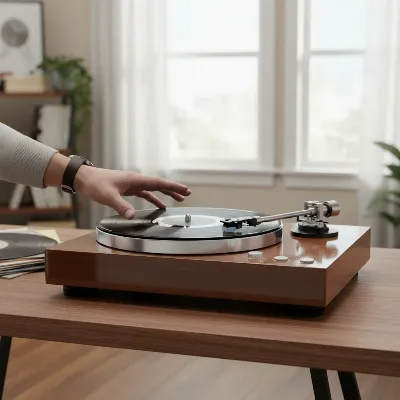 Fluance RT81 turntable being set up with vinyl records on a desk, capturing analog sound.
Upon unboxing your record player, carefully follow the included instructions for installation and connection. This typically involves mounting the platter, attaching the belt, balancing the tonearm, and setting the tracking force and anti-skate. If your turntable has a built-in phono preamp (like the Fluance RT81), simply connect it to an available AUX input on your amplifier or powered speakers using RCA cables. If not, an external phono preamp will be necessary before connecting to your amplifier.
For caring for vinyl records, always handle them by the edges or label to prevent fingerprints and dust accumulation. Store records vertically in their sleeves to avoid warping. Before each play, a quick clean with an anti-static brush removes surface dust, enhancing sound quality and protecting your stylus. Regular cleaning and maintenance of your record player itself are also important. Use a soft, dry cloth to wipe down the plinth and dust cover. Periodically clean the stylus with a specialized brush or cleaning solution, and check the condition of your drive belt for any signs of wear.
Fluance RT81 Turntable: Pricing Guide (Latest Updates)
The Fluance RT81 is strategically positioned in the entry-level to mid-range segment of the turntable market, offering exceptional value. While prices can fluctuate, the RT81 typically retails in the $250 to $350 range.
This pricing places it above ultra-budget options that often compromise on sound quality and build, but below more advanced audiophile models costing upwards of $500. It’s an ideal choice for listeners who want a significant upgrade from basic, all-in-one record players without venturing into premium prices. The RT81’s balance of features, sound, and aesthetics makes it a compelling investment, often competing with models that cost considerably more. Keep an eye out for seasonal sales or bundles that might offer even greater value.
Record Player Buying Guide
Navigating the diverse world of record players can be simplified by understanding the popular types and how they align with various budgets.
Popular Record Player Types
The market offers distinct types of record players, each catering to different user priorities. Integrated speaker record players are all-in-one units with built-in speakers, offering ultimate convenience and portability. However, their sound quality often cannot match systems with separate components. Bluetooth-enabled record players provide wireless connectivity to Bluetooth speakers or headphones, offering flexibility in placement and listening, though this feature might sometimes come at the expense of pure analog signal integrity. For those prioritizing sound fidelity, audiophile-grade record players focus on precision engineering, superior components, and minimal interference, often requiring external preamps and amplifiers for the best experience.
Choosing by Budget
Your budget plays a significant role in determining the available options and the level of performance you can expect.
- Entry-level (under $200-$250): This segment includes basic, often fully automatic models like the Audio-Technica AT-LP60X or some integrated speaker units. They offer a simple entry into vinyl but may have plastic components and limited upgrade potential.
- Mid-range ($250-$500): This is where the Fluance RT81 truly shines, along with models like the Denon DP-300F. You’ll find higher-quality materials, better cartridges, switchable preamps, and improved sound performance. These often offer a good balance of features and fidelity.
- High-end (over $500): This category includes turntables like the Pro-Ject Debut Carbon EVO or Rega Planar 1. These models prioritize sonic purity, build quality, and typically offer substantial upgrade paths, catering to serious enthusiasts seeking the ultimate analog experience.
> “The Fluance RT81 bridges the gap between basic starter players and serious audiophile turntables, offering impressive sound and build quality at a truly accessible price point. It’s a testament to how far entry-level hi-fi has come.” – Alex Chen, Lead Audio Engineer at Sonic Horizons
Conclusion
The Fluance RT81 turntable stands as a remarkable testament to accessible high-fidelity audio. Its classic aesthetic, robust build, and thoughtful features—particularly the integrated phono preamp and quality Audio-Technica cartridge—make it an exceptional value for beginners and seasoned listeners alike. While it might lack digital connectivity options like USB or Bluetooth, its focus on pure analog sound reproduction, combined with its ease of setup and warm, detailed output, ensures a deeply satisfying vinyl experience. For those ready to explore the rich world of records or upgrade from a rudimentary player, the Fluance RT81 offers an unbeatable blend of performance and style. Are you ready to immerse yourself in the authentic charm of vinyl?
Frequently Asked Questions
Is the Fluance RT81 a good choice for beginners?
Absolutely. The Fluance RT81 is widely recommended for beginners due to its easy setup, pre-mounted cartridge, and built-in switchable phono preamp, which simplifies connection to existing audio systems. Its auto-stop feature also adds convenience and protects your stylus.
Does the Fluance RT81 have Bluetooth connectivity?
No, the standard Fluance RT81 model does not include Bluetooth connectivity. It is designed for wired connection to an amplifier or powered speakers via RCA cables, focusing on a pure analog signal path.
Can I upgrade the cartridge on the Fluance RT81?
Yes, the Fluance RT81 comes with a standard detachable headshell, making it very easy to upgrade the included Audio-Technica AT95E/AT-VM95E cartridge to a higher-performance model if you wish to further enhance sound quality.
What’s the difference between the Fluance RT81 and RT81+?
The Fluance RT81+ is an updated version that typically includes an improved Audio-Technica AT-VM95E cartridge and an acrylic platter mat for better sound and reduced static, compared to the RT81’s rubber mat and AT95E. Both models share a similar core design and features.
Does the Fluance RT81 come with a built-in phono preamp?
Yes, the Fluance RT81 features a built-in phono preamp that can be switched on or off. This allows you to connect the turntable directly to an amplifier’s AUX input or to an external phono preamp for a potentially more customized sound.
Is the Fluance RT81 fully automatic?
No, the Fluance RT81 is a semi-automatic turntable. It has an auto-stop function that halts the platter rotation at the end of a record to prevent stylus wear, but it does not automatically lift or return the tonearm to its resting position.
