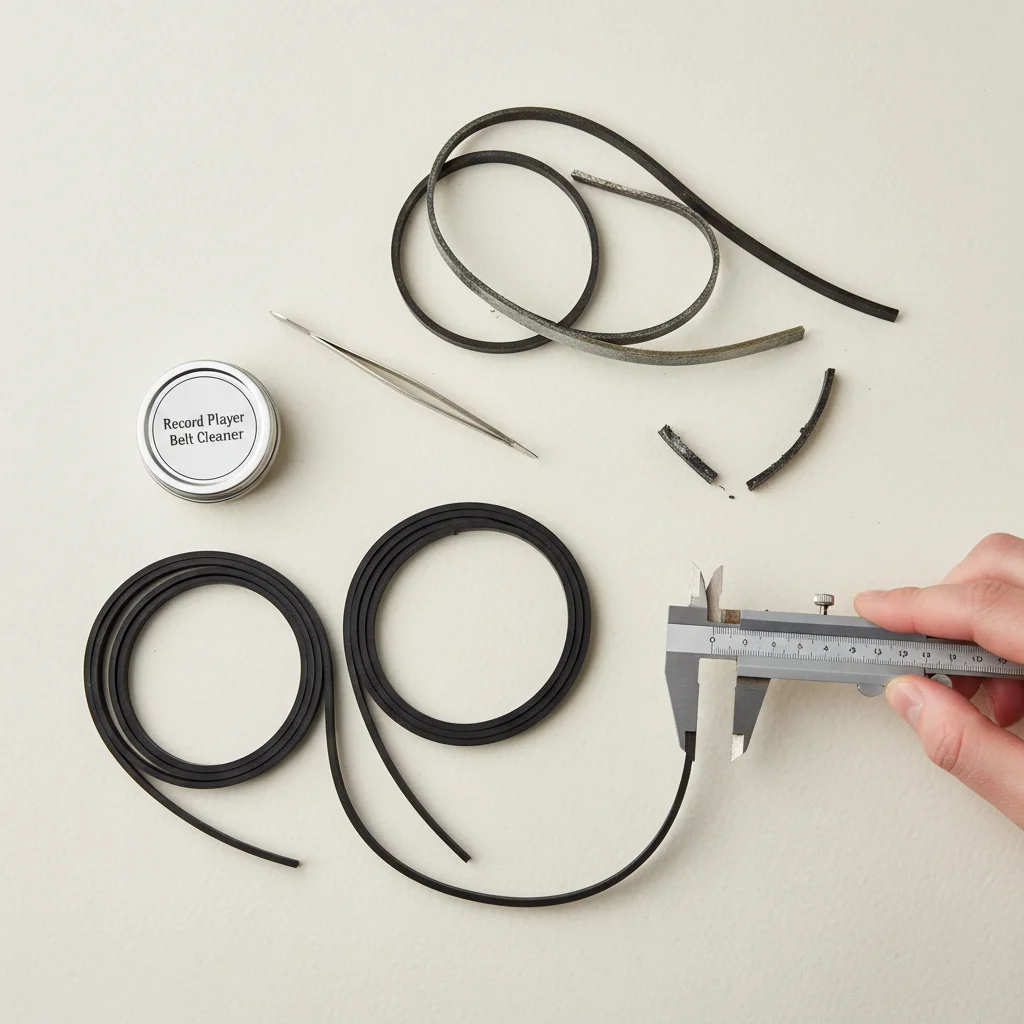
Record player belts are crucial for consistent platter rotation and accurate sound reproduction. You should replace your record player belt every 3 to 5 years, or sooner if you notice specific signs of wear or degradation. A worn belt can lead to inconsistent playback speed, affecting pitch and overall audio quality, making timely replacement essential for any vinyl enthusiast.
Why Record Player Belts Degrade Over Time
Record player belts, typically made from rubber or silicone, are subject to natural wear and tear. Factors like constant tension, exposure to air, temperature fluctuations, and even dust can cause the material to stretch, crack, or lose its elasticity. This degradation directly impacts the belt’s ability to maintain a consistent grip on the motor pulley and platter, leading to speed inconsistencies. For complete record players library on this site.
Over time, the rubber can also become brittle or sticky, further hindering smooth operation. Regular use, even if gentle, contributes to this gradual breakdown, making periodic inspection and replacement a necessary part of turntable maintenance.
Signs It’s Time to Replace Your Record Player Belt
Several clear indicators suggest your record player belt needs replacing. The most common sign is inconsistent playback speed, where records sound too fast, too slow, or waver in pitch. You might also notice the platter struggling to reach its correct speed, or even failing to spin at all when the motor is engaged. Visually, inspect the belt for cracks, fraying, or a stretched appearance. If it feels loose when removed or has lost its original shape, it’s likely past its prime. A belt that slips easily or has a sticky residue is also a strong candidate for replacement.
- Inconsistent or wavering playback speed
- Platter struggles to start or maintain speed
- Visible cracks, fraying, or stretching on the belt
- Belt feels loose or has lost its elasticity
- Sticky residue on the belt or pulleys
Choosing the Right Replacement Belt
|
Our Picks for the Best Record Player in 2026
As an Amazon Associate I earn from qualifying purchases.
|
||
| Num | Product | Action |
|---|---|---|
| 1 | Vinyl Record Player Turntable with Built-in Bluetooth Receiver & 2 Stereo Speakers, 3 Speed 3 Size Portable Retro Record Player for Entertainment and Home Decoration |

|
| 2 | Vinyl Record Player with Dual Stereo Bookshelf Speakers Vintage Turntable with Bluetooth Wireless Playback Belt Drive 3-Speed Playback Record Player Support RCA Out Auto Stop |
|
| 3 | Vinyl Record Player with Speakers Vintage Turntable for Vinyls Records Belt-Driven Turn Table Support 3-Speed, Wireless Playback, Headphone, AUX-in, RCA Line LP Phonograph for Sound Enjoyment Black |
|
| 4 | SoulBox S1 Vinyl Record Player with Stereo Speakers, Turntable with Built-in Preamp, S-Shaped Tonearm, 33/45 RPM - Walnut |
|
| 5 | Victrola The Quincy 6-in-1 Bluetooth Record Player & Multimedia Center with Built-in Speakers – 3-Speed Turntable, CD & Cassette Player, AM/FM Radio, Wireless Music Streaming (Mahogony) |
|
| 6 | Vinyl Record Player 3-Speed Bluetooth Suitcase Portable Belt-Driven Record Player with Built-in Speakers RCA Line Out AUX in Headphone Jack Vintage Turntable |
|
| 7 | Vintage Record Player with External Speakers Belt-Drive Turntable for Vinyl Records Dual Stereo Speakers LP Players Support 3 Speed 3 Size Wireless Playback AUX Headphone Input Auto Stop Wood Red |
|
| 8 | Victrola Journey Bluetooth Portable Suitcase Record Player – with Built-in Speakers, 3 Speed Vinyl Record Player, RCA Out, Headphone Jack (Smoky Blue) |
|
| 9 | Audio-Technica AT-LP60X-GM Fully Automatic Belt-Drive Stereo Turntable, Gunmetal/Black, Hi-Fidelity, Plays 33-1/3 and 45 RPM Vinyl Records, Dust Cover, Anti-Resonance, Die-Cast Aluminum Platter |
|
| 10 | Audio-Technica AT-LP60X-BK Fully Automatic Belt-Drive Stereo Turntable, Black, Hi-Fi, 2 Speed, Dust Cover, Anti-Resonance, Die-Cast Aluminum Platter |
|
Selecting the correct replacement belt is vital for proper turntable function. Most turntables require a specific size and type of belt, usually a flat belt, round belt, or square belt. Consult your turntable’s manual or the manufacturer’s website for the exact specifications. Using an incorrect belt can lead to further speed issues, increased motor strain, or even damage to your turntable. Measure the old belt’s length and width if possible, or search for belts specifically designed for your turntable model. High-quality replacement belts are often made from durable rubber compounds that offer better longevity and consistent performance.
Consider purchasing from reputable audio suppliers to ensure you receive a belt that meets the original equipment manufacturer’s standards.
The Replacement Process: A Step-by-Step Guide
Replacing a record player belt is a relatively straightforward process. First, unplug your turntable for safety. Carefully remove the platter, often by lifting it straight up or by removing a retaining clip. This will expose the motor pulley and the old belt. Gently remove the old belt, noting its path around the motor pulley and the inner rim of the platter (or sub-platter). Clean any dust or residue from the motor pulley and the platter’s rim with a lint-free cloth. Install the new belt, ensuring it sits snugly and evenly around both the motor pulley and the platter. Double-check that the belt is not twisted. Replace the platter, ensuring it seats correctly, and then test the turntable’s speed with a strobe disc or a speed-checking app.
Maintaining Your New Record Player Belt
Once you’ve replaced your record player belt, a few simple maintenance practices can help extend its lifespan. Keep your turntable clean and free of dust, as dust can accumulate on the belt and pulleys, causing slippage and wear. Avoid touching the belt directly with your fingers, as oils from your skin can degrade the rubber. When not in use for extended periods, some audiophiles suggest removing the belt to relieve tension, though this is often unnecessary for modern, high-quality belts. Regularly inspect the belt for any early signs of wear, and address them promptly to maintain optimal sound quality.
