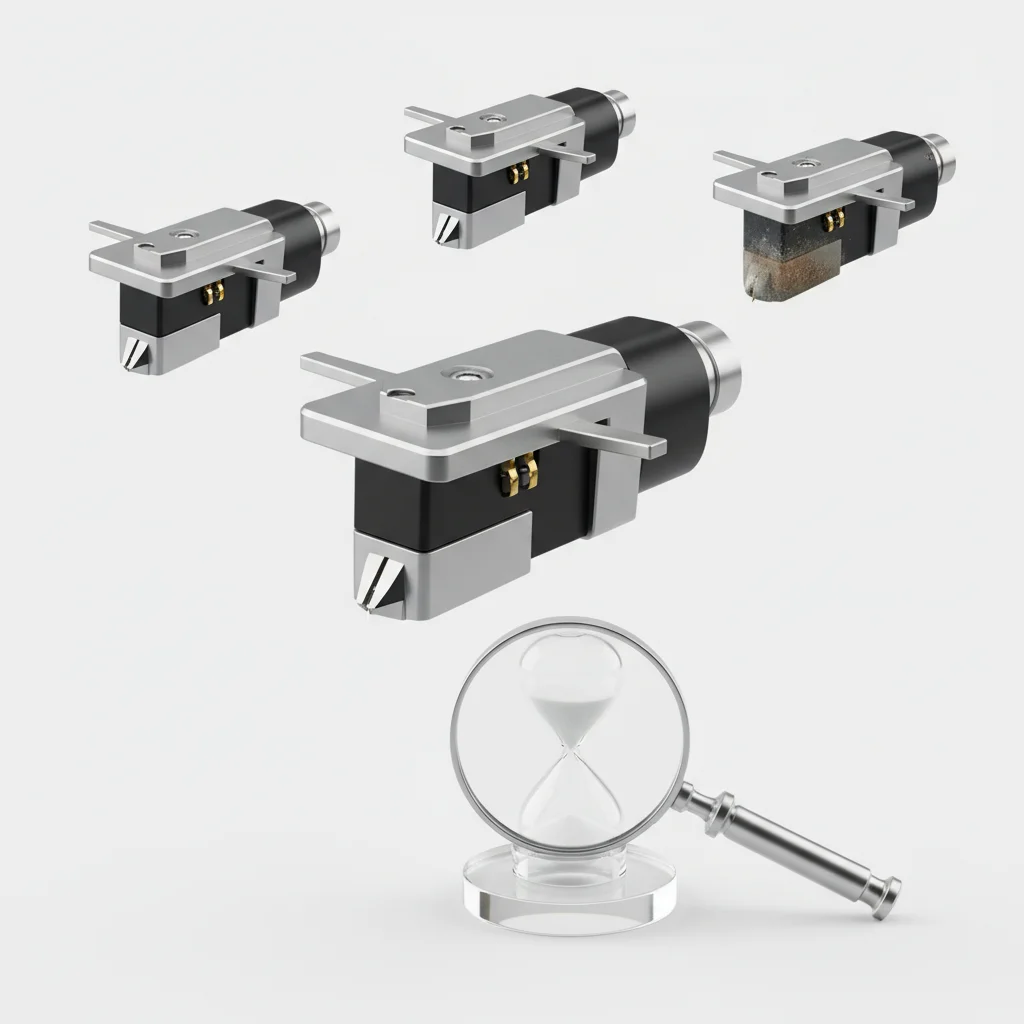
A record player cartridge typically lasts between 500 and 1,000 hours of playback, though this can vary significantly based on factors like stylus type, tracking force, and the cleanliness of your records. For casual listeners, this might translate to several years of use, while frequent audiophiles may need to replace their cartridge more often to maintain optimal sound quality and prevent damage to their vinyl collection.
Factors Influencing Cartridge Lifespan
Several key elements determine how long your record player cartridge will perform optimally. The most significant is the stylus material; diamond styli, common in most quality cartridges, are durable but still wear down. Sapphire styli, found in some entry-level models, have a much shorter lifespan. Tracking force, if set too high, can accelerate wear on both the stylus and your records. Conversely, too light a tracking force can cause the stylus to skip and damage the groove.
The condition of your vinyl records also plays a crucial role. Playing dirty or scratched records can quickly degrade your stylus, as abrasive particles act like sandpaper. Regular cleaning of both your records and your stylus is essential for extending cartridge life.
Signs It’s Time for a Replacement
Recognizing the signs of a worn-out cartridge is vital for preserving your vinyl and enjoying the best possible sound. One of the most common indicators is a noticeable degradation in sound quality, such as a loss of high-frequency detail, increased sibilance, or a duller overall sound. You might also hear increased surface noise or distortion, even on clean records.
Visually inspecting the stylus can also provide clues. A healthy stylus should appear sharp and symmetrical. If it looks bent, chipped, or has a flattened tip, it’s definitely time for a replacement. Some audiophiles use a jeweler’s loupe to get a closer look at the stylus tip for wear.
Maintaining Your Cartridge for Longevity
|
Our Picks for the Best Record Player in 2026
As an Amazon Associate I earn from qualifying purchases.
|
||
| Num | Product | Action |
|---|---|---|
| 1 | Audio-Technica AT-LP60X-GM Fully Automatic Belt-Drive Stereo Turntable, Gunmetal/Black, Hi-Fidelity, Plays 33-1/3 and 45 RPM Vinyl Records, Dust Cover, Anti-Resonance, Die-Cast Aluminum Platter |

|
| 2 | Victrola The Quincy 6-in-1 Bluetooth Record Player & Multimedia Center with Built-in Speakers – 3-Speed Turntable, CD & Cassette Player, AM/FM Radio, Wireless Music Streaming (Mahogony) |
|
| 3 | Vinyl Record Player with Speakers Vintage Turntable for Vinyls Records Belt-Driven Turn Table Support 3-Speed, Wireless Playback, Headphone, AUX-in, RCA Line LP Phonograph for Sound Enjoyment Black |
|
| 4 | Vinyl Record Player with Dual Stereo Bookshelf Speakers Vintage Turntable with Bluetooth Wireless Playback Belt Drive 3-Speed Playback Record Player Support RCA Out Auto Stop |
|
| 5 | Audio-Technica AT-LP60X-BK Fully Automatic Belt-Drive Stereo Turntable, Black, Hi-Fi, 2 Speed, Dust Cover, Anti-Resonance, Die-Cast Aluminum Platter |
|
| 6 | SoulBox S1 Vinyl Record Player with Stereo Speakers, Turntable with Built-in Preamp, S-Shaped Tonearm, 33/45 RPM - Walnut |
|
| 7 | Victrola Journey Bluetooth Portable Suitcase Record Player – with Built-in Speakers, 3 Speed Vinyl Record Player, RCA Out, Headphone Jack (Smoky Blue) |
|
| 8 | Vinyl Record Player 3-Speed Bluetooth Suitcase Portable Belt-Driven Record Player with Built-in Speakers RCA Line Out AUX in Headphone Jack Vintage Turntable |
|
| 9 | Vintage Record Player with External Speakers Belt-Drive Turntable for Vinyl Records Dual Stereo Speakers LP Players Support 3 Speed 3 Size Wireless Playback AUX Headphone Input Auto Stop Wood Red |
|
| 10 | Vinyl Record Player Turntable with Built-in Bluetooth Receiver & 2 Stereo Speakers, 3 Speed 3 Size Portable Retro Record Player for Entertainment and Home Decoration |
|
Proper maintenance can significantly extend the life of your record player cartridge. Here are some essential tips:
- Always ensure your tracking force is set correctly according to the cartridge manufacturer’s specifications.
- Regularly clean your stylus using a dedicated stylus brush or fluid to remove dust and debris.
- Keep your vinyl records clean to prevent abrasive particles from damaging the stylus.
- Use your turntable’s cueing lever to gently lower and raise the tonearm, avoiding accidental drops.
- Store your turntable with the dust cover on when not in use to protect the cartridge from airborne dust.
Choosing a Replacement Cartridge
When it’s time to replace your cartridge, you have several options. You can often replace just the stylus if your cartridge body is still in good condition and the manufacturer offers replacement styli. This is usually the most cost-effective option. Alternatively, you might choose to upgrade to an entirely new cartridge, which can offer a significant improvement in sound quality. Consider factors like your budget, the type of music you listen to, and compatibility with your turntable’s tonearm.
Many audiophiles find that investing in a higher-quality cartridge can unlock new levels of detail and richness from their vinyl collection. Researching different brands and models, and reading reviews, can help you make an informed decision.
Installation and Calibration
Installing a new cartridge or stylus requires precision and patience. If you’re replacing just the stylus, it’s usually a straightforward process of sliding the old one off and the new one on. However, replacing the entire cartridge involves mounting it to the headshell, connecting the tiny wires, and then carefully calibrating the tracking force, anti-skate, and azimuth. Proper alignment is crucial for optimal sound and to prevent record wear.
Many turntables come with alignment protractors, or you can purchase universal ones. If you’re unsure about the process, it’s often best to consult your turntable’s manual or seek assistance from an experienced audio technician to avoid damaging your new cartridge or your records.
