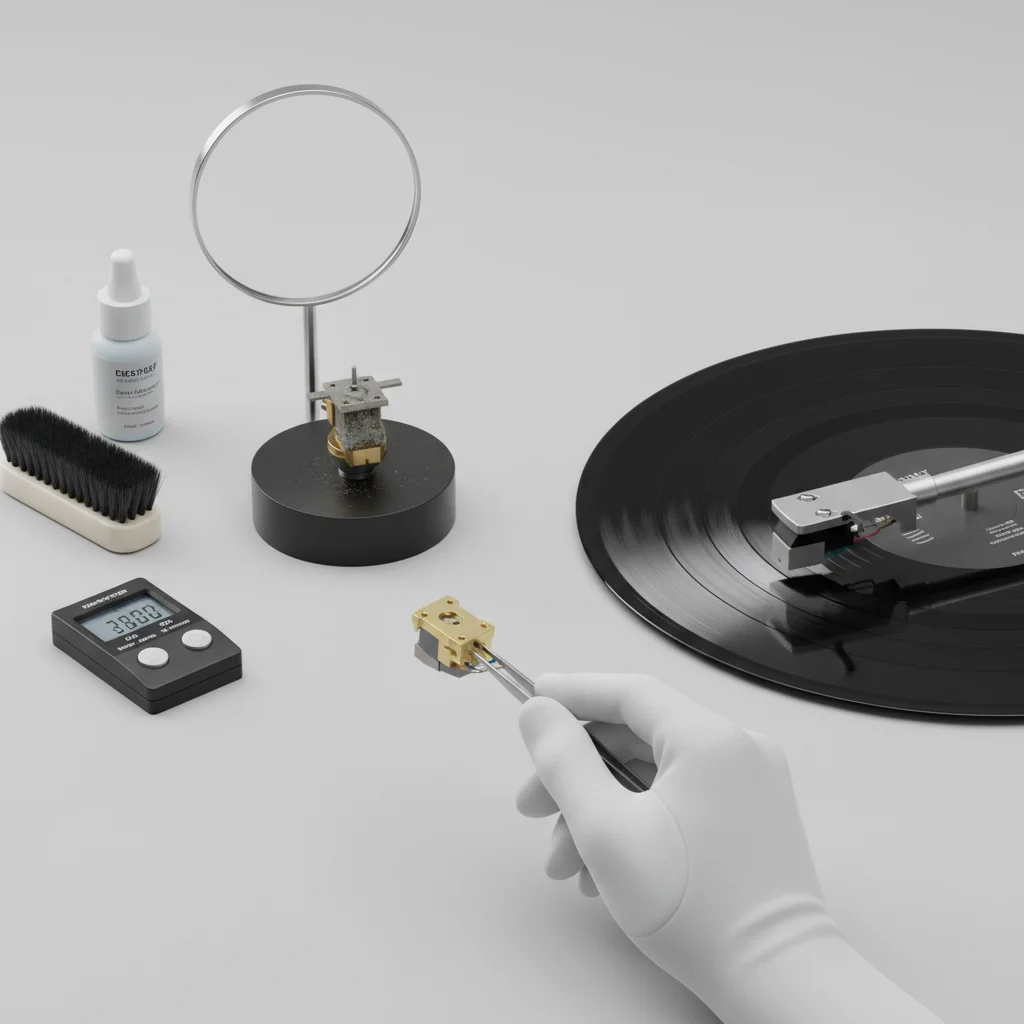
Knowing when to replace your record player cartridge is crucial for maintaining optimal sound quality and protecting your vinyl collection. Generally, a record player cartridge should be replaced every 500 to 1,000 hours of playback, though this can vary based on the cartridge type, stylus material, and how well you maintain your records.
Why Cartridge Replacement is Essential
The cartridge is a vital component of your turntable, responsible for converting the physical vibrations from the record groove into an electrical signal. Over time, the stylus (needle) on the cartridge wears down. A worn stylus can not only degrade sound quality, leading to muffled highs and distorted lows, but it can also cause irreversible damage to your precious vinyl records by grinding down the groove walls. Regular replacement ensures your music sounds its best and your collection remains pristine.
Factors Influencing Cartridge Lifespan
Several factors dictate how long your record player cartridge will last. The material of the stylus tip is a major one; diamond styli, common in most quality cartridges, are durable but still wear. Sapphire styli, often found in older or cheaper models, have a significantly shorter lifespan. Your listening habits also play a role; frequent playback, especially of dirty or damaged records, will accelerate wear. Proper tracking force and anti-skate settings are also critical; incorrect settings can cause uneven wear and premature degradation.
- Stylus material (diamond vs. sapphire)
- Average hours of playback per week
- Cleanliness of your vinyl records
- Correct tracking force and anti-skate settings
- Overall care and maintenance of your turntable
Signs It’s Time for a New Cartridge
|
Our Picks for the Best Record Player in 2026
As an Amazon Associate I earn from qualifying purchases.
|
||
| Num | Product | Action |
|---|---|---|
| 1 | Vinyl Record Player with Dual Stereo Bookshelf Speakers Vintage Turntable with Bluetooth Wireless Playback Belt Drive 3-Speed Playback Record Player Support RCA Out Auto Stop |

|
| 2 | Victrola Journey Bluetooth Portable Suitcase Record Player – with Built-in Speakers, 3 Speed Vinyl Record Player, RCA Out, Headphone Jack (Smoky Blue) |
|
| 3 | Vinyl Record Player with Speakers Vintage Turntable for Vinyls Records Belt-Driven Turn Table Support 3-Speed, Wireless Playback, Headphone, AUX-in, RCA Line LP Phonograph for Sound Enjoyment Black |
|
| 4 | Victrola The Quincy 6-in-1 Bluetooth Record Player & Multimedia Center with Built-in Speakers – 3-Speed Turntable, CD & Cassette Player, AM/FM Radio, Wireless Music Streaming (Mahogony) |
|
| 5 | Vinyl Record Player Turntable with Built-in Bluetooth Receiver & 2 Stereo Speakers, 3 Speed 3 Size Portable Retro Record Player for Entertainment and Home Decoration |
|
| 6 | SoulBox S1 Vinyl Record Player with Stereo Speakers, Turntable with Built-in Preamp, S-Shaped Tonearm, 33/45 RPM - Walnut |
|
| 7 | Audio-Technica AT-LP60X-GM Fully Automatic Belt-Drive Stereo Turntable, Gunmetal/Black, Hi-Fidelity, Plays 33-1/3 and 45 RPM Vinyl Records, Dust Cover, Anti-Resonance, Die-Cast Aluminum Platter |
|
| 8 | Audio-Technica AT-LP60X-BK Fully Automatic Belt-Drive Stereo Turntable, Black, Hi-Fi, 2 Speed, Dust Cover, Anti-Resonance, Die-Cast Aluminum Platter |
|
| 9 | Vintage Record Player with External Speakers Belt-Drive Turntable for Vinyl Records Dual Stereo Speakers LP Players Support 3 Speed 3 Size Wireless Playback AUX Headphone Input Auto Stop Wood Red |
|
| 10 | Vinyl Record Player 3-Speed Bluetooth Suitcase Portable Belt-Driven Record Player with Built-in Speakers RCA Line Out AUX in Headphone Jack Vintage Turntable |
|
There are several tell-tale signs that indicate your record player cartridge is nearing the end of its life. A noticeable degradation in sound quality, such as increased distortion, a lack of clarity, or a duller sound, is a primary indicator. You might also experience increased surface noise, skipping, or a general imbalance in the stereo image. Visually inspecting the stylus for a flattened tip or visible wear under magnification can also confirm the need for replacement. If you’re unsure, consulting your cartridge’s manufacturer specifications for expected lifespan is a good starting point.
Ignoring these signs can lead to permanent damage to your records, making a timely replacement a wise investment for any vinyl enthusiast.
Choosing the Right Replacement Cartridge
When it’s time to replace your cartridge, you have several options. You can opt for an identical replacement, which simplifies the process as you already know it’s compatible with your tonearm. Alternatively, you might consider upgrading to a different model that offers improved sound characteristics. Key considerations include the cartridge type (moving magnet or moving coil), output voltage, compliance, and the recommended tracking force. Ensure the new cartridge is compatible with your turntable’s tonearm and phono preamp. Many manufacturers offer a range of cartridges at different price points, allowing you to find one that fits both your budget and your sonic preferences.
DIY Replacement vs. Professional Installation
Replacing a record player cartridge can be a delicate process. If you’re comfortable with small tools and have a steady hand, it’s a task many audiophiles perform themselves. You’ll need a small screwdriver, a stylus force gauge, and often a protractor for alignment. However, if you’re new to the process or feel unsure, professional installation by an audio technician is highly recommended. Incorrect installation can damage the cartridge, tonearm, or even your records. A professional can ensure proper alignment, tracking force, and anti-skate settings, guaranteeing optimal performance from your new cartridge.
