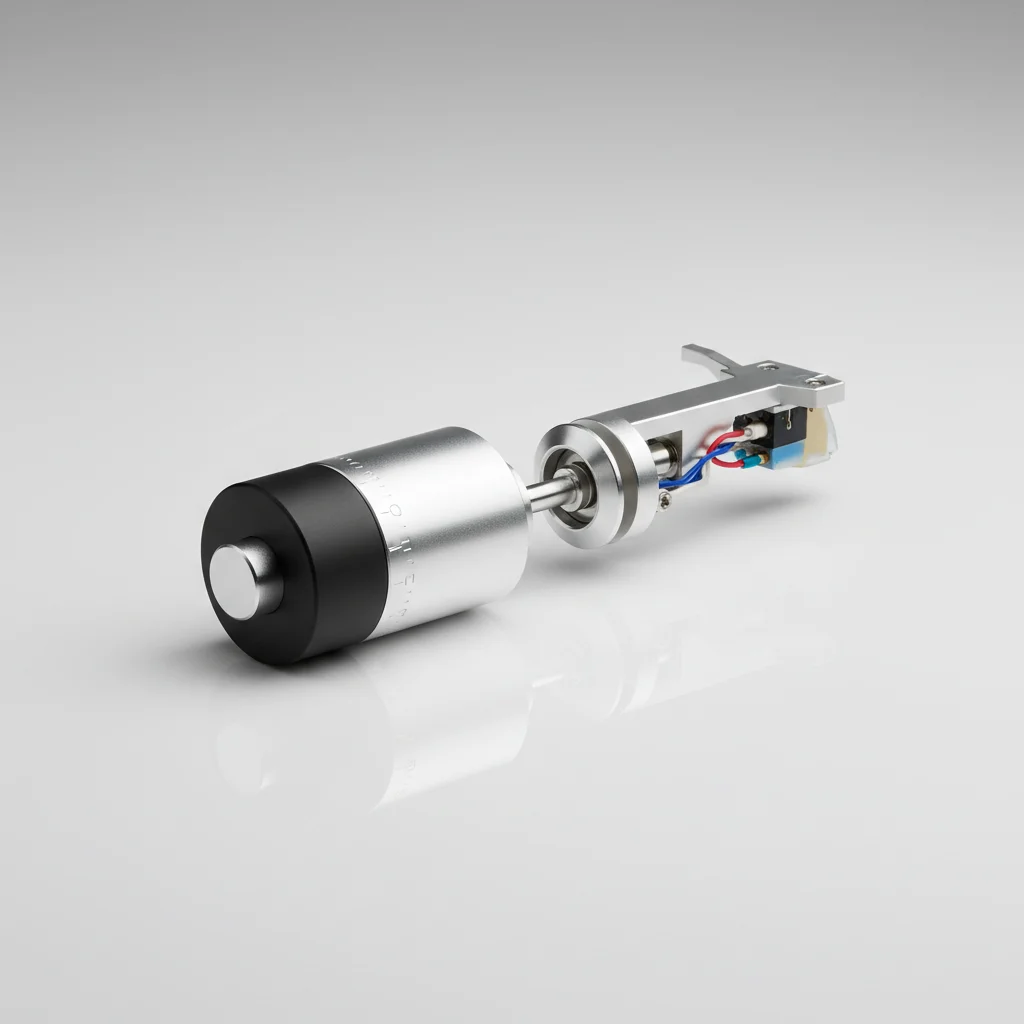
The record player counterweight is a small but mighty component that directly impacts your turntable’s sound quality and the longevity of your vinyl records. Properly adjusting the counterweight ensures the stylus tracks the record grooves with the correct amount of force, preventing damage to both your records and the stylus itself, while also optimizing audio fidelity. There are typically three main reasons why a correctly set counterweight is crucial for any record player setup.
Understanding the Record Player Counterweight’s Function
The counterweight, usually found at the rear of the tonearm, balances the tonearm and allows for precise adjustment of the tracking force. Without proper balance, the stylus could either press too heavily into the grooves, causing excessive wear and distortion, or too lightly, leading to skipping and poor sound reproduction. It’s a delicate balance that directly influences how well your cartridge can extract the audio information from the vinyl. For best record players roundups on this site.
Setting the Tracking Force for Optimal Performance
Setting the correct tracking force is paramount. Each cartridge manufacturer specifies a recommended tracking force range, typically measured in grams. To set it, you first balance the tonearm so it floats freely parallel to the platter. Then, you rotate the counterweight to apply the specified force. This ensures the stylus maintains consistent contact with the record grooves, minimizing tracking errors and maximizing sound clarity. Incorrect tracking force can lead to a host of audio issues, from muddy bass to harsh treble.
- Prevents premature record wear and stylus damage.
- Reduces skipping and mistracking during playback.
- Improves stereo separation and overall soundstage.
- Minimizes distortion and surface noise.
- Extends the lifespan of your valuable vinyl collection.
Impact on Sound Quality and Record Longevity
|
Our Picks for the Best Record Player in 2026
As an Amazon Associate I earn from qualifying purchases.
|
||
| Num | Product | Action |
|---|---|---|
| 1 | Vinyl Record Player 3-Speed Bluetooth Suitcase Portable Belt-Driven Record Player with Built-in Speakers RCA Line Out AUX in Headphone Jack Vintage Turntable |

|
| 2 | Audio-Technica AT-LP60X-BK Fully Automatic Belt-Drive Stereo Turntable, Black, Hi-Fi, 2 Speed, Dust Cover, Anti-Resonance, Die-Cast Aluminum Platter |
|
| 3 | Audio-Technica AT-LP60X-GM Fully Automatic Belt-Drive Stereo Turntable, Gunmetal/Black, Hi-Fidelity, Plays 33-1/3 and 45 RPM Vinyl Records, Dust Cover, Anti-Resonance, Die-Cast Aluminum Platter |
|
| 4 | Vinyl Record Player with Dual Stereo Bookshelf Speakers Vintage Turntable with Bluetooth Wireless Playback Belt Drive 3-Speed Playback Record Player Support RCA Out Auto Stop |
|
| 5 | Vintage Record Player with External Speakers Belt-Drive Turntable for Vinyl Records Dual Stereo Speakers LP Players Support 3 Speed 3 Size Wireless Playback AUX Headphone Input Auto Stop Wood Red |
|
| 6 | SoulBox S1 Vinyl Record Player with Stereo Speakers, Turntable with Built-in Preamp, S-Shaped Tonearm, 33/45 RPM - Walnut |
|
| 7 | Vinyl Record Player with Speakers Vintage Turntable for Vinyls Records Belt-Driven Turn Table Support 3-Speed, Wireless Playback, Headphone, AUX-in, RCA Line LP Phonograph for Sound Enjoyment Black |
|
| 8 | Victrola Journey Bluetooth Portable Suitcase Record Player – with Built-in Speakers, 3 Speed Vinyl Record Player, RCA Out, Headphone Jack (Smoky Blue) |
|
| 9 | Vinyl Record Player Turntable with Built-in Bluetooth Receiver & 2 Stereo Speakers, 3 Speed 3 Size Portable Retro Record Player for Entertainment and Home Decoration |
|
| 10 | Victrola The Quincy 6-in-1 Bluetooth Record Player & Multimedia Center with Built-in Speakers – 3-Speed Turntable, CD & Cassette Player, AM/FM Radio, Wireless Music Streaming (Mahogony) |
|
A perfectly calibrated record player counterweight directly translates to superior sound quality. When the tracking force is just right, the stylus can accurately trace the intricate modulations in the record groove, reproducing the full dynamic range and detail of the music. Conversely, an improperly set counterweight can cause audible distortion, sibilance, and a general lack of clarity. More importantly, it can significantly shorten the life of your records by grinding down the delicate grooves, making proper adjustment a critical part of any audiophile’s routine.
Troubleshooting Common Counterweight Issues
If you’re experiencing skipping, distortion, or excessive surface noise, your counterweight might be misadjusted. First, re-check your cartridge’s recommended tracking force. Then, re-balance your tonearm and carefully set the counterweight using a tracking force gauge for the most accurate results. Sometimes, the counterweight can loosen over time, especially on older turntables, requiring a simple re-calibration. Regular checks are a good habit to maintain optimal playback.
When to Re-Adjust Your Counterweight
You should re-adjust your record player counterweight whenever you change your cartridge or stylus, as different models have varying weight and tracking force requirements. It’s also a good idea to check it periodically, perhaps every few months, or if you notice any changes in sound quality or tracking performance. Even moving your turntable can sometimes subtly shift the balance, making a quick re-check beneficial for maintaining pristine audio.
