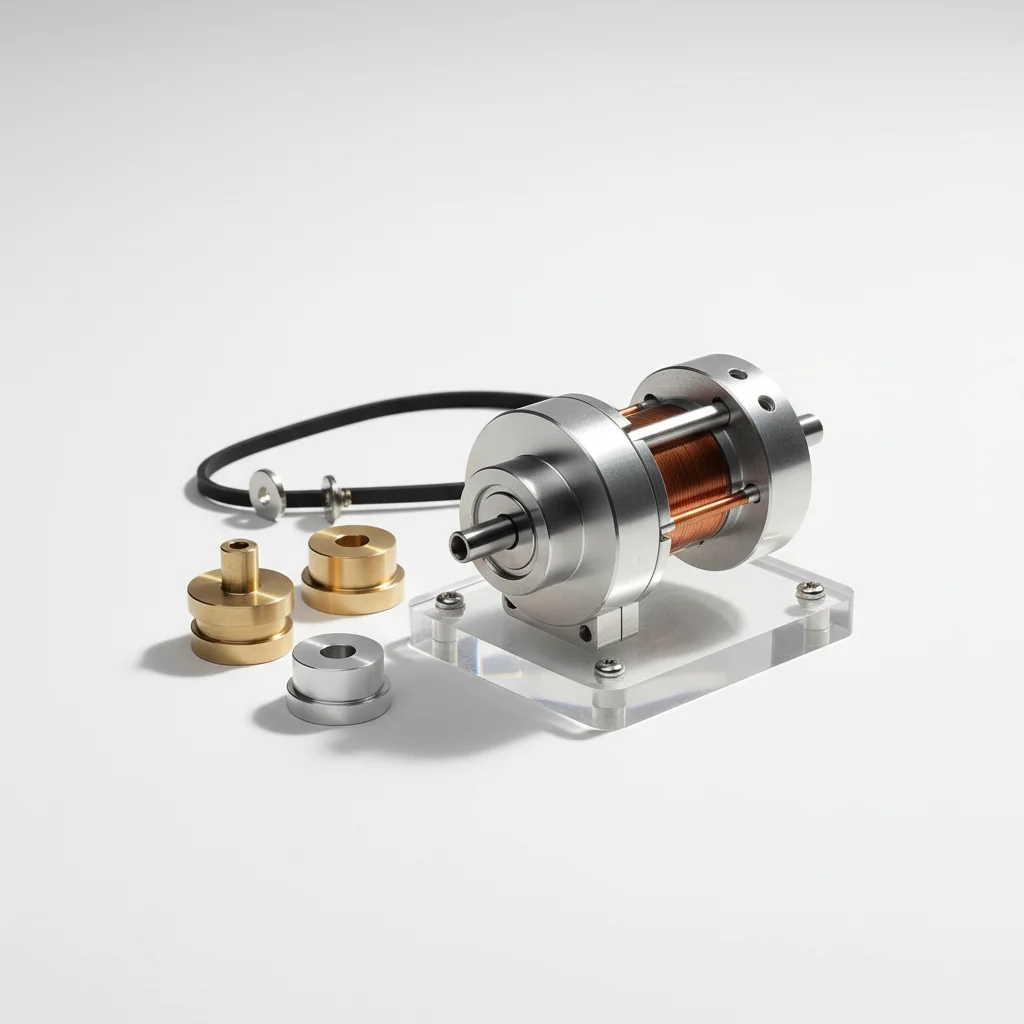
Record player motors play a significant role in the overall sound quality of your turntable setup. While often overlooked, the motor’s stability, type, and isolation directly impact wow and flutter, rumble, and ultimately, the fidelity of your audio playback. There are primarily two types of motors used in record players: direct drive and belt drive, each with distinct characteristics that influence performance.
Understanding Record Player Motor Types
The two main types of record player motors are belt-drive and direct-drive. Belt-drive turntables use an elastic belt to connect the motor to the platter. This design helps to isolate the platter from motor vibrations, leading to a smoother, quieter playback and reduced rumble. However, belts can stretch over time, requiring replacement to maintain consistent speed. For explore our record players reviews on this site.
Direct-drive turntables, on the other hand, have the platter directly mounted on the motor’s spindle. This provides excellent speed stability and quick start-up times, making them popular among DJs. The challenge with direct-drive systems is effectively isolating motor vibrations from reaching the stylus, which can introduce audible rumble if not properly engineered.
How Motor Stability Impacts Playback
Motor stability is crucial for accurate playback. Any inconsistencies in the motor’s rotation speed can lead to audible pitch variations known as ‘wow’ and ‘flutter’. Wow refers to slow, cyclical changes in pitch, while flutter describes faster, more rapid variations. High-quality motors are designed to maintain a consistent rotational speed, minimizing these distortions and ensuring a faithful reproduction of the music.
Motor Isolation and Rumble Reduction
|
Our Picks for the Best Record Player in 2026
As an Amazon Associate I earn from qualifying purchases.
|
||
| Num | Product | Action |
|---|---|---|
| 1 | Audio-Technica AT-LP60X-GM Fully Automatic Belt-Drive Stereo Turntable, Gunmetal/Black, Hi-Fidelity, Plays 33-1/3 and 45 RPM Vinyl Records, Dust Cover, Anti-Resonance, Die-Cast Aluminum Platter |

|
| 2 | Vinyl Record Player with Dual Stereo Bookshelf Speakers Vintage Turntable with Bluetooth Wireless Playback Belt Drive 3-Speed Playback Record Player Support RCA Out Auto Stop |
|
| 3 | SoulBox S1 Vinyl Record Player with Stereo Speakers, Turntable with Built-in Preamp, S-Shaped Tonearm, 33/45 RPM - Walnut |
|
| 4 | Vinyl Record Player 3-Speed Bluetooth Suitcase Portable Belt-Driven Record Player with Built-in Speakers RCA Line Out AUX in Headphone Jack Vintage Turntable |
|
| 5 | Vinyl Record Player Turntable with Built-in Bluetooth Receiver & 2 Stereo Speakers, 3 Speed 3 Size Portable Retro Record Player for Entertainment and Home Decoration |
|
| 6 | Vintage Record Player with External Speakers Belt-Drive Turntable for Vinyl Records Dual Stereo Speakers LP Players Support 3 Speed 3 Size Wireless Playback AUX Headphone Input Auto Stop Wood Red |
|
| 7 | Vinyl Record Player with Speakers Vintage Turntable for Vinyls Records Belt-Driven Turn Table Support 3-Speed, Wireless Playback, Headphone, AUX-in, RCA Line LP Phonograph for Sound Enjoyment Black |
|
| 8 | Audio-Technica AT-LP60X-BK Fully Automatic Belt-Drive Stereo Turntable, Black, Hi-Fi, 2 Speed, Dust Cover, Anti-Resonance, Die-Cast Aluminum Platter |
|
| 9 | Victrola The Quincy 6-in-1 Bluetooth Record Player & Multimedia Center with Built-in Speakers – 3-Speed Turntable, CD & Cassette Player, AM/FM Radio, Wireless Music Streaming (Mahogony) |
|
| 10 | Victrola Journey Bluetooth Portable Suitcase Record Player – with Built-in Speakers, 3 Speed Vinyl Record Player, RCA Out, Headphone Jack (Smoky Blue) |
|
Rumble is a low-frequency noise caused by motor vibrations being transmitted through the turntable’s plinth and platter to the stylus. Effective motor isolation is key to preventing rumble. In belt-drive systems, the belt itself acts as a dampener. In direct-drive systems, manufacturers employ various damping materials and suspension designs to absorb vibrations. A well-isolated motor contributes significantly to a clean, clear soundstage, free from unwanted background noise.
Signs of a Failing Record Player Motor
Recognizing the signs of a failing motor can help you address issues before they significantly degrade your listening experience. Here are some common indicators:
- Inconsistent platter speed (audible wow and flutter)
- Excessive humming or buzzing noises emanating from the motor area
- Difficulty reaching or maintaining the correct playback speed
- Unusual vibrations felt through the plinth
- Motor becoming excessively hot during operation
If you notice any of these symptoms, it might be time to inspect or replace your record player’s motor.
Maintaining Your Record Player Motor
Proper maintenance can extend the life of your record player motor and ensure optimal performance. For belt-drive turntables, regularly check the belt for signs of wear, stretching, or cracking, and replace it as needed (typically every 3-5 years). Keep the motor pulley and platter clean to prevent dust and debris from affecting belt grip. For both motor types, ensure the turntable is placed on a stable, level surface to minimize external vibrations. Some motors may benefit from occasional lubrication, but always consult your turntable’s manual before attempting this.
