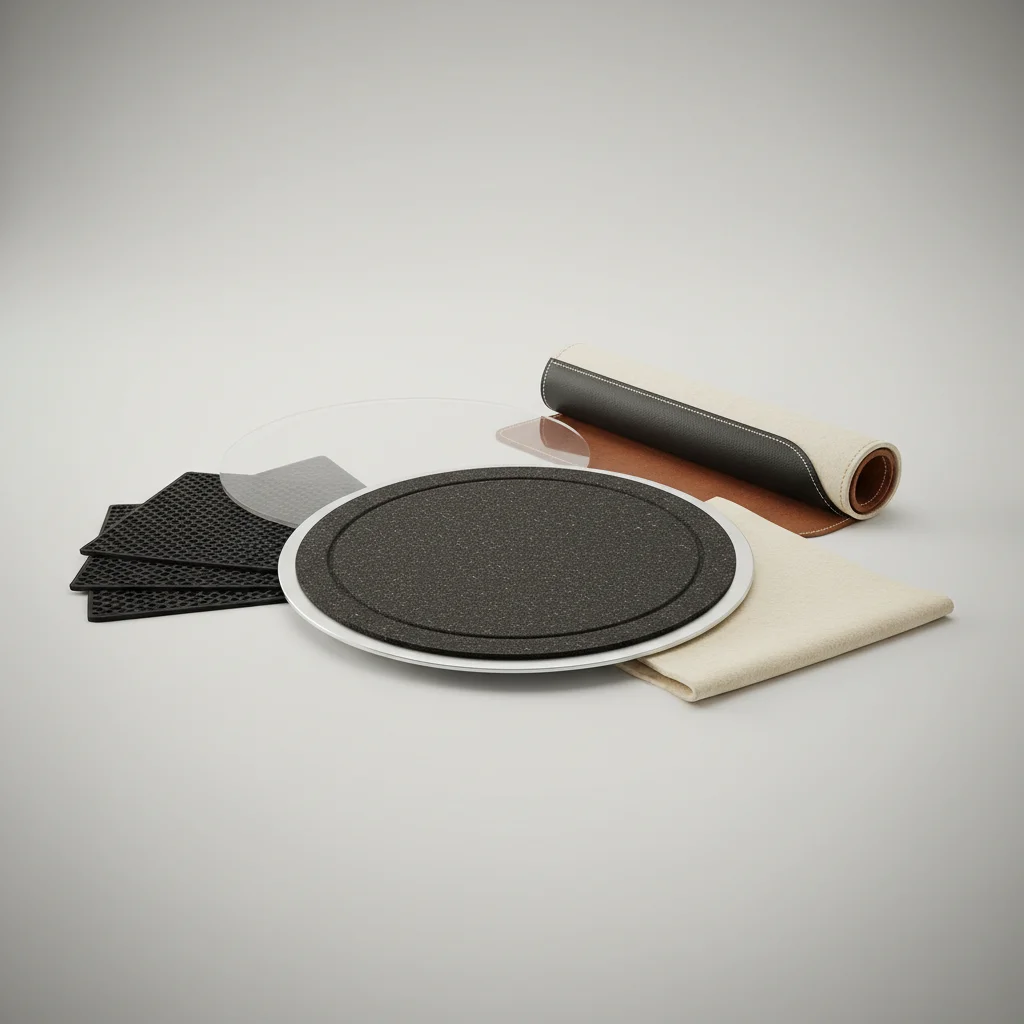
Record player platter mats are thin discs placed on the turntable platter, beneath the vinyl record. They serve several purposes, primarily to improve sound quality by reducing unwanted vibrations, providing better coupling between the record and the platter, and minimizing static electricity. While not every mat offers a dramatic transformation, many audiophiles report noticeable improvements in clarity, bass response, and overall soundstage when using the right material and thickness for their specific turntable setup.
Understanding the Role of Platter Mats
The primary function of a platter mat is to create an optimal interface between your vinyl record and the turntable platter. Different materials interact with vibrations and static in unique ways. For instance, felt mats are excellent at reducing static and offering a soft landing for records, but they can sometimes allow for more micro-vibrations. Cork mats, on the other hand, are known for their dampening properties, absorbing resonances more effectively than felt. Rubber mats provide a firm grip and good vibration isolation, often resulting in a more defined bass response. For record players buying guides on this site.
Beyond vibration control, platter mats also influence static electricity. Vinyl records are notorious for attracting dust due to static charges. Certain mat materials, like cork or specific composite blends, can help dissipate these charges, leading to cleaner playback and less dust accumulation on your precious records. The choice of mat can significantly impact the longevity of your vinyl and stylus by reducing abrasive dust particles.
Types of Platter Mat Materials and Their Benefits
There are several popular materials used for platter mats, each with distinct characteristics:
- Felt: Lightweight, good for static reduction, allows for easy record placement and removal.
- Cork: Excellent vibration dampening, good grip, helps reduce static, often improves mid-range clarity.
- Rubber: Dense, provides strong coupling and vibration isolation, often enhances bass and dynamics.
- Leather: Offers a unique sonic signature, good dampening, and a luxurious feel.
- Acrylic: Mimics the sonic properties of vinyl itself, often resulting in a neutral sound profile.
The best material for your setup often depends on your turntable’s platter material and your personal sonic preferences. For example, if your turntable has a resonant metal platter, a cork or rubber mat might be more beneficial than felt.
How Platter Mats Affect Sound Quality
|
Our Picks for the Best Record Player in 2026
As an Amazon Associate I earn from qualifying purchases.
|
||
| Num | Product | Action |
|---|---|---|
| 1 | Victrola The Quincy 6-in-1 Bluetooth Record Player & Multimedia Center with Built-in Speakers – 3-Speed Turntable, CD & Cassette Player, AM/FM Radio, Wireless Music Streaming (Mahogony) |

|
| 2 | Vintage Record Player with External Speakers Belt-Drive Turntable for Vinyl Records Dual Stereo Speakers LP Players Support 3 Speed 3 Size Wireless Playback AUX Headphone Input Auto Stop Wood Red |
|
| 3 | Audio-Technica AT-LP60X-GM Fully Automatic Belt-Drive Stereo Turntable, Gunmetal/Black, Hi-Fidelity, Plays 33-1/3 and 45 RPM Vinyl Records, Dust Cover, Anti-Resonance, Die-Cast Aluminum Platter |
|
| 4 | Vinyl Record Player 3-Speed Bluetooth Suitcase Portable Belt-Driven Record Player with Built-in Speakers RCA Line Out AUX in Headphone Jack Vintage Turntable |
|
| 5 | Audio-Technica AT-LP60X-BK Fully Automatic Belt-Drive Stereo Turntable, Black, Hi-Fi, 2 Speed, Dust Cover, Anti-Resonance, Die-Cast Aluminum Platter |
|
| 6 | Vinyl Record Player with Speakers Vintage Turntable for Vinyls Records Belt-Driven Turn Table Support 3-Speed, Wireless Playback, Headphone, AUX-in, RCA Line LP Phonograph for Sound Enjoyment Black |
|
| 7 | SoulBox S1 Vinyl Record Player with Stereo Speakers, Turntable with Built-in Preamp, S-Shaped Tonearm, 33/45 RPM - Walnut |
|
| 8 | Victrola Journey Bluetooth Portable Suitcase Record Player – with Built-in Speakers, 3 Speed Vinyl Record Player, RCA Out, Headphone Jack (Smoky Blue) |
|
| 9 | Vinyl Record Player with Dual Stereo Bookshelf Speakers Vintage Turntable with Bluetooth Wireless Playback Belt Drive 3-Speed Playback Record Player Support RCA Out Auto Stop |
|
| 10 | Vinyl Record Player Turntable with Built-in Bluetooth Receiver & 2 Stereo Speakers, 3 Speed 3 Size Portable Retro Record Player for Entertainment and Home Decoration |
|
The impact of a platter mat on sound quality can be subtle but significant. By dampening vibrations, a good mat can reduce background noise and improve the signal-to-noise ratio, allowing finer details in the music to emerge. This can lead to a more open soundstage, better instrument separation, and a clearer overall presentation. The improved coupling between the record and the platter also ensures that the stylus tracks the grooves more accurately, reducing instances of skipping or distortion.
Many listeners report that a well-chosen platter mat can tighten bass frequencies, make vocals sound more present, and add a sense of depth to the music. It’s a relatively inexpensive upgrade that can yield noticeable improvements, especially on entry-level and mid-range turntables where platter resonance might be more pronounced. Consider experimenting with different materials to find the one that best complements your system and listening preferences.
Choosing the Right Platter Mat for Your Turntable
When selecting a platter mat, consider your turntable’s existing platter material. If you have a metal platter, a mat with good dampening properties like cork or rubber might be ideal to reduce its inherent resonance. For acrylic platters, which are already quite inert, a thin felt or even no mat might be preferred by some, as acrylic itself has similar acoustic properties to vinyl. The thickness of the mat also plays a role, as it can affect the vertical tracking angle (VTA) of your tonearm. If your VTA is adjustable, you can fine-tune it to compensate for different mat thicknesses.
Another factor is the aesthetic. Platter mats come in various colors and designs, allowing you to personalize your turntable’s look. However, prioritize sonic performance over aesthetics. Read reviews, and if possible, try out a few different mats from a reputable dealer. The goal is to find a mat that enhances your listening experience without introducing new problems.
Installation and Maintenance Tips
Installing a platter mat is straightforward: simply place it on your turntable’s platter before putting on a record. Ensure it lies flat and is centered. For maintenance, most mats require minimal care. Felt mats can sometimes attract dust and lint, so a gentle brush or lint roller can keep them clean. Cork and rubber mats can usually be wiped down with a damp cloth if they get dirty. Avoid using harsh chemicals, as these can degrade the material and potentially transfer residues to your records. Proper care will ensure your platter mat continues to perform optimally for years to come.
Conclusion
Platter mats are more than just decorative accessories; they are functional components that can significantly influence the sound quality of your record player. By addressing issues like vibration, static, and coupling, a well-chosen platter mat can refine your listening experience, bringing out more detail and depth in your vinyl collection. While the improvements might be subtle to some, many audiophiles consider them an essential upgrade for optimizing their turntable’s performance.
