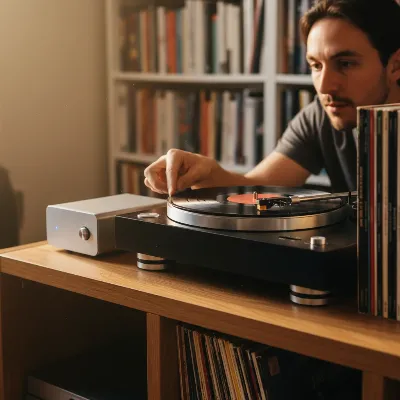
The unmistakable crackle, the tactile ritual of placing a needle onto a spinning disc, and the warm, rich sound – vinyl records offer a listening experience unlike any other. This deep connection to music has fueled a significant resurgence, bringing record players back into the spotlight. For both seasoned audiophiles and curious newcomers, a fundamental question often arises: should you opt for the nostalgic charm of a vintage record player or embrace the advanced features and convenience of a modern turntable? Making this choice isn’t merely about aesthetics; it impacts sound quality, maintenance, and your overall interaction with your music collection.
Overview of Record Players
A record player, often used interchangeably with “turntable,” is an analog audio device designed to play vinyl records. Its journey began in the late 19th century, evolving significantly through the “golden age of audio,” typically spanning the late 1960s to the early 1980s. This era saw intense competition among manufacturers, leading to robust and innovative designs.
The core functionality of any record player relies on several key components working in harmony:
- Plinth (Base): The foundation of the record player, providing structural support and helping to minimize vibrations.
- Platter: The circular disc on which the vinyl record rests and spins. Its mass and material contribute to speed stability and reduced resonance.
- Motor: Powers the platter. There are two primary types: belt-drive, which uses a rubber belt to connect the motor to the platter, isolating motor vibrations for cleaner sound; and direct-drive, where the motor is directly beneath the platter, offering consistent speed and faster startup, often favored by DJs.
- Tonearm: An elongated arm that holds the cartridge and stylus, guiding them along the record’s grooves. Proper balance and tracking force are crucial for sound quality and record longevity.
- Cartridge: Attached to the end of the tonearm, this device houses the stylus and converts mechanical vibrations from the grooves into electrical signals. Common types include Moving Magnet (MM) and Moving Coil (MC).
- Stylus (Needle): The small, usually diamond-tipped component that physically tracks the grooves of the record. Its condition is vital for sound fidelity and preventing record damage.
- Speed Selector: Allows users to choose the appropriate rotation speed for different records (typically 33 1/3, 45, or sometimes 78 RPM).
- Phono Pre-amplifier: Amplifies the weak electrical signal from the cartridge to a line-level signal, suitable for amplifiers and speakers. Many modern turntables include a built-in pre-amp for convenience.
Record players also come in various operational types: manual turntables require you to cue the tonearm and lift it manually; automatic turntables handle these actions with the push of a button; and semi-automatic models typically lower the tonearm automatically but require manual placement at the start of a record.
How to Choose a Record Player That Fits Your Lifestyle
Selecting the perfect record player requires careful consideration of your individual needs and preferences. The ideal choice balances performance, features, and budget, ensuring a rewarding listening journey.
Defining Your Usage Needs
|
Our Picks for the Best Record Player in 2026
As an Amazon Associate I earn from qualifying purchases.
|
||
| Num | Product | Action |
|---|---|---|
| 1 | Vinyl Record Player Turntable with Built-in Bluetooth Receiver & 2 Stereo Speakers, 3 Speed 3 Size Portable Retro Record Player for Entertainment and Home Decoration |

|
| 2 | Victrola The Quincy 6-in-1 Bluetooth Record Player & Multimedia Center with Built-in Speakers – 3-Speed Turntable, CD & Cassette Player, AM/FM Radio, Wireless Music Streaming (Mahogony) |
|
| 3 | Vinyl Record Player with Speakers Vintage Turntable for Vinyls Records Belt-Driven Turn Table Support 3-Speed, Wireless Playback, Headphone, AUX-in, RCA Line LP Phonograph for Sound Enjoyment Black |
|
| 4 | Vinyl Record Player 3-Speed Bluetooth Suitcase Portable Belt-Driven Record Player with Built-in Speakers RCA Line Out AUX in Headphone Jack Vintage Turntable |
|
| 5 | Vintage Record Player with External Speakers Belt-Drive Turntable for Vinyl Records Dual Stereo Speakers LP Players Support 3 Speed 3 Size Wireless Playback AUX Headphone Input Auto Stop Wood Red |
|
| 6 | Victrola Journey Bluetooth Portable Suitcase Record Player – with Built-in Speakers, 3 Speed Vinyl Record Player, RCA Out, Headphone Jack (Smoky Blue) |
|
| 7 | Vinyl Record Player with Dual Stereo Bookshelf Speakers Vintage Turntable with Bluetooth Wireless Playback Belt Drive 3-Speed Playback Record Player Support RCA Out Auto Stop |
|
| 8 | SoulBox S1 Vinyl Record Player with Stereo Speakers, Turntable with Built-in Preamp, S-Shaped Tonearm, 33/45 RPM - Walnut |
|
| 9 | Audio-Technica AT-LP60X-GM Fully Automatic Belt-Drive Stereo Turntable, Gunmetal/Black, Hi-Fidelity, Plays 33-1/3 and 45 RPM Vinyl Records, Dust Cover, Anti-Resonance, Die-Cast Aluminum Platter |
|
| 10 | Audio-Technica AT-LP60X-BK Fully Automatic Belt-Drive Stereo Turntable, Black, Hi-Fi, 2 Speed, Dust Cover, Anti-Resonance, Die-Cast Aluminum Platter |
|
Before diving into specifications, consider how you intend to use your record player. Do you envision it as the centerpiece of a dedicated listening room, a casual music source in a bedroom, or a portable device you can move around? What genres of music dominate your collection? Classical music might benefit from a player focused on pristine sound reproduction, while rock enthusiasts might appreciate a warmer, more robust output. Your budget is also a critical factor, as it dictates the level of quality, features, and potential for upgrades.
Key Factors to Consider
Several important elements contribute to a record player’s overall performance and user experience:
- Sound Quality: This is paramount for many vinyl enthusiasts. Vintage players are often lauded for a “warm,” rich, and sometimes imperfect analog sound, with an emphasized midrange. Modern players, conversely, generally aim for a cleaner, more accurate, and precise audio reproduction across all frequencies. The choice here often comes down to personal sonic preference.
- Design and Materials: Vintage turntables often boast substantial build quality, featuring solid wood plinths and heavy metal platters, embodying a classic mid-century aesthetic. Modern designs tend to be more minimalist, with sleek lines and a variety of materials including acrylic, MDF, and carbon fiber. While some modern entry-level units may use more plastic, higher-end models offer exceptional craftsmanship.
- Features: Modern record players often integrate contemporary conveniences such as Bluetooth connectivity for wireless streaming to speakers or headphones, USB outputs for digitizing your vinyl collection, and built-in phono pre-amps for plug-and-play simplicity. Vintage models typically offer a purely analog experience, lacking these integrated digital features.
- Brand Reputation: Established brands in both vintage (e.g., Technics, Pioneer, Thorens) and modern (e.g., Audio-Technica, Pro-Ject, Rega) markets offer reliability and quality. Researching a brand’s history and user reviews can provide valuable insights into their consistency and customer support.
> “Choosing a record player isn’t just about specs; it’s about matching the device to your listening rituals and the aesthetic you want to create in your space.” – ReviewMatches.com Tech Admin, Record Player Expert
Comparing Popular Record Player Styles
The decision between a vintage and a modern record player often boils down to a balance of character versus convenience, tradition versus innovation. Each style presents its own set of advantages and considerations, making the “best” choice highly personal.
Detailed Comparison Table
| Feature | Vintage Record Players (Late 60s – Early 80s “Golden Age”) | Modern Record Players (2000s – Present) |
|---|---|---|
| Price (Initial) | Often lower (but hidden restoration costs) | Varies widely (entry-level to high-end) |
| Sound Quality | Warm, rich, “analog character,” can be lush (if well-kept) | Clean, accurate, precise, lower resonance, consistent speed |
| Design & Build | Substantial, often wood/metal, tactile controls, “statement” | Minimalist, sleek, diverse materials (MDF, acrylic, plastic), compact |
| Features | Purely analog, manual operation, no modern connectivity | Built-in phono pre-amp, Bluetooth, USB, automatic functions, electronic speed control |
| Maintenance | High; likely needs restoration, ongoing TLC, hard to find parts | Low; minimal beyond stylus care, readily available parts, warranty |
| Longevity/Reliability | Variable (depends on condition & restoration) | Generally high (new components, warranty) |
| Upgrade Potential | Limited (due to age and parts availability) | High (swappable cartridges, platters, external preamps) |
| Pros | Unique aesthetic, potential high-end build, warm sound, historical value | Convenience, plug-and-play, modern features, consistent quality, warranty |
| Cons | High maintenance/repair costs, risk of damaging records, lack of modern features, parts scarcity | Can lack “soul,” budget models may have lower build quality, less unique character |
In-Depth Analysis of Each Type
Vintage Record Players: These devices are a testament to an era when turntables were often engineered with robust components and a focus on durability. The allure of vintage models lies in their unique aesthetic, often featuring beautiful wood plinths and a tangible, mechanical feel. When properly restored, high-end vintage turntables can deliver a superlative sound quality characterized by warmth and depth that many audiophiles cherish. They offer a direct connection to music history and can be rewarding for those who enjoy the process of collecting and restoring audio equipment. However, the “vintage truth” is that many found in unknown condition come with vintage problems – worn belts, degraded cartridges, and unserviced internals. These issues lead to complex maintenance and potentially costly repairs. Moreover, old styli or heavy tracking forces can damage your valuable vinyl collection. They also inherently lack modern features like integrated Bluetooth or USB output, requiring additional components for contemporary system integration.
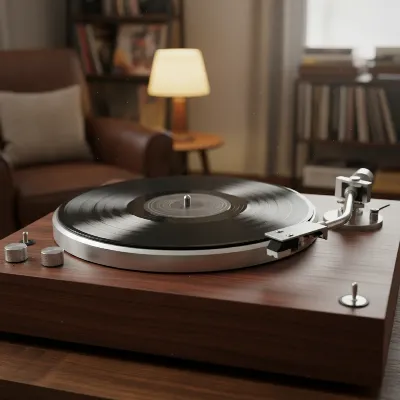 Vintage record player with a wooden plinth and exposed platter, showcasing classic design elements and a warm, inviting glow from soft ambient lighting.
Modern Record Players: The contemporary market offers a vast range of new record players, designed with today’s listener in mind. Their primary advantages are convenience and consistent quality. Many modern decks include a built-in phono preamp, allowing for direct connection to powered speakers, and offer Bluetooth connectivity for wireless audio transmission or USB outputs for digitizing records. Modern manufacturing benefits from decades of improvements, resulting in tighter speed control, lower resonance, and reliable performance right out of the box, often backed by a warranty. While some budget-friendly modern players might utilize more plastic components, higher-end models boast sophisticated materials and engineering that rivals the precision of vintage audiophile gear. They require minimal maintenance compared to their vintage counterparts, making them ideal for those seeking a plug-and-play experience.
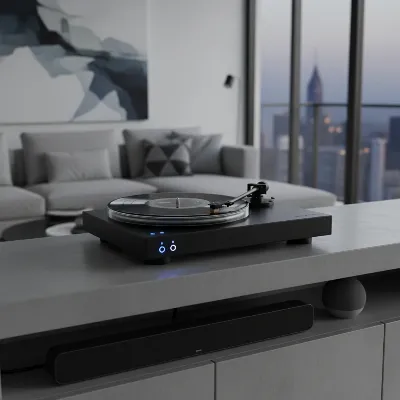 Sleek modern record player with Bluetooth and USB connectivity, featuring a minimalist design in a contemporary living space with clean lines and indirect lighting.
Ultimately, your choice depends on your priorities. If you are an enthusiast who relishes the hands-on experience, the unique character, and the potential for a “warm” sound that comes with restoring a piece of history, a vintage record player might be your calling. If you prioritize ease of use, modern features, consistent performance, and peace of mind with a warranty, a modern record player is likely the better fit.
Where to Purchase Record Players Reliably
Finding the right record player involves knowing where to look, whether you’re seeking a brand-new model or a pre-loved classic.
New Record Players: For new record players, reputable electronics retailers, specialized audio stores, and online marketplaces are your best bet. Online platforms offer a broad selection, competitive pricing, and user reviews, though physical stores allow you to inspect the product and potentially listen to demos. Always verify the seller’s authenticity, product warranty, and return policies. Leading brands often have official online stores as well.
Vintage Record Players: Acquiring a vintage record player requires a more discerning approach. Reputable vintage audio dealers, specialized online forums, and auctions are good starting points. Exercise caution with general marketplaces (e.g., online classifieds) unless you are confident in assessing the unit’s condition or are prepared for potential restoration costs. When buying vintage, always inquire about its service history, original components, and current working condition. Ideally, purchase from a seller who offers some form of guarantee or allows for inspection.
Usage and Maintenance Guide for Your Record Player
Proper setup, usage, and routine maintenance are critical for preserving your record player’s performance and the longevity of your vinyl collection.
Setup and Connection
- Level Surface: Place your record player on a perfectly level, sturdy surface, ideally isolated from vibrations. Speakers should not be on the same surface to prevent feedback.
- Connections: Connect the record player to your audio system. If your turntable has a built-in phono preamp, you can connect it to any line-level input on your amplifier or powered speakers. If it doesn’t, you’ll need an external phono preamp, which then connects to a line-level input.
- Tonearm Balance: Carefully balance the tonearm according to the manufacturer’s instructions, then set the tracking force (downforce) using a tracking force gauge. Incorrect settings can cause poor sound and record wear.
- Anti-Skate: Adjust the anti-skate mechanism to prevent the stylus from favoring one side of the record groove.
Record Care
- Handle with Care: Always hold records by their edges or the label to avoid transferring oils and dirt from your hands to the playing surface.
- Clean Regularly: Use an anti-static carbon fiber brush to gently clean records before and after each play. For deeper cleaning, invest in a record cleaning solution or machine to remove dust and grime from the grooves.
- Storage: Store records vertically in anti-static inner sleeves and sturdy outer sleeves, away from direct sunlight, heat, and humidity.
Record Player Maintenance
- Stylus Care: The stylus is arguably the most critical component. Gently clean it with a dedicated stylus brush after each side of play. Inspect it regularly for wear; a worn stylus can damage records and degrade sound. Replace the stylus after approximately 1,000 to 2,000 hours of playtime, or sooner if you notice sound degradation or skipping.
- Dust Control: Always keep your record player covered with a dust cover when not in use to prevent dust accumulation on the platter, tonearm, and stylus.
- Belt Check (Belt-Drive): If you have a belt-drive turntable, periodically inspect the belt for stretching or brittleness. Replace it every few years or if you notice speed inconsistencies.
- Lubrication: Some turntables, especially vintage models, may require occasional lubrication of the motor shaft or spindle according to the manufacturer’s guidelines. Use only recommended, detergent-free oils.
- Environment: Maintain your record player in a space with stable temperature and humidity to prevent mechanical issues and component degradation.
Reference Record Player Pricing (Updated 2026)
The price of a record player can vary significantly, reflecting differences in build quality, features, and brand prestige. Here’s a general guide to expected price ranges in 2026:
- Entry-Level (Under $200 – $350): These are typically modern, plug-and-play models designed for beginners or casual listeners. Examples include the Audio-Technica AT-LP60X or Victrola Eastwood II. While affordable, some budget options might use more plastic components. They often come with built-in preamps and automatic functions for ease of use.
- Mid-Range ($350 – $1,000): This segment offers a significant jump in build quality, materials, and sound performance. You’ll find more robust platters, better tonearms, and options for upgrading cartridges. Brands like Pro-Ject (e.g., Debut Carbon Evo), Rega (e.g., Planar 1), and Fluance (e.g., RT85) are popular here. Many mid-range models offer advanced features like electronic speed control and better isolation.
- High-End (Over $1,000): This category is for audiophiles seeking uncompromising sound quality and premium craftsmanship. These turntables feature high-mass platters, advanced tonearm designs, superior isolation, and often come without integrated features, allowing for ultimate customization with external components. Technics (e.g., SL-1500C) and high-tier models from Pro-Ject and Rega fall into this range.
- Vintage Players: The initial purchase price for a vintage record player can range from under $100 for untested units to several hundred dollars for well-regarded models. However, it’s crucial to factor in potential restoration costs, which can easily add $100-$500 or more, depending on the required repairs and parts availability. A fully restored, high-quality vintage deck can sometimes rival modern mid-range or even high-end players in total investment.
Buying Guide: Tailoring Your Turntable Choice
Making the right decision means aligning the record player with your specific needs, whether you’re a purist, a tech-savvy listener, or budget-conscious.
Popular Record Player Categories
- Integrated (All-in-One) Record Players: These come with built-in speakers and sometimes even CD players or radio tuners. They are the epitome of convenience and ideal for small spaces or casual listening, often found in the entry-level price bracket. However, their sound quality typically won’t match a component system.
- Record Players with Bluetooth Connectivity: For those who want the analog experience but also the flexibility of modern wireless audio, many modern turntables offer Bluetooth output. This allows you to stream your vinyl to Bluetooth headphones or speakers, perfect for apartment living or minimizing cable clutter.
- Professional/Component Record Players: These are designed as standalone turntables, meant to be integrated into a larger hi-fi system with separate amplifiers, phono preamps, and speakers. They offer the best sound quality and upgradeability, catering to serious audiophiles who prioritize sonic fidelity and control.
Choosing Based on Your Budget
- Under $200 (Entry-Level): Focus on reliability and basic functionality. Models like the Audio-Technica AT-LP60X offer an easy entry into vinyl with decent sound for casual listening. Be aware that these often have plastic components.
- $200 – $500 (Mid-Range Starter): Here, you’ll find significant improvements in build quality and sound. Look for models with adjustable tonearms, better cartridges, and options for future upgrades. Brands like the Sony PSLX310BT or Rega Planar 1 offer excellent value.
- $500 – $1,000 (Mid-Range Enthusiast): This range offers excellent performance for enthusiasts. Expect solid construction, precise speed control, and the ability to significantly upgrade components like the platter or cartridge. Pro-Ject Debut Carbon Evo and Fluance RT85 are strong contenders.
- Over $1,000 (High-End/Audiophile): For the ultimate vinyl experience, these turntables deliver exceptional detail, dynamics, and build quality. They are often manual, allowing for maximum control and customization, and are best paired with high-quality external audio components.
Conclusion
The journey into vinyl offers a unique blend of sensory pleasure and musical discovery. Whether you lean towards the timeless allure and tactile charm of a vintage record player or the modern convenience and precision of a new turntable, the perfect choice ultimately rests on your personal priorities. Vintage decks promise a connection to history and a distinct sonic character, albeit with potential maintenance demands. Modern players deliver consistent performance, contemporary features, and ease of use, making them accessible to a broader audience. By understanding the components, considering your needs, and exploring the market, you can confidently select the record player that will bring your vinyl collection to life in 2026.
What aspects of the vinyl listening experience do you value most—the journey of restoration, or the immediate gratification of pristine sound?
Frequently Asked Questions
What is the “golden age” of record players?
The “golden age” of record players typically refers to the late 1960s through the early 1980s. During this period, intense competition among manufacturers led to significant innovation and the production of many high-quality, robust turntables that are still sought after today for their build and sound potential.
Do vintage record players sound better than modern ones?
The answer is subjective. High-end, well-maintained or restored vintage players can offer a warm, rich “analog” sound cherished by many. Modern players often provide a cleaner, more accurate, and consistent sound with better precision across frequencies. The “better” sound depends on personal preference.
Are modern record players safe for my records?
Yes, well-made modern record players are designed to be safe for your records. They feature properly weighted tonearms and quality styli. Be cautious with extremely cheap, poorly constructed players, which might use heavy tracking forces that can damage vinyl over time.
What is a built-in phono preamp and why is it important?
A built-in phono preamp amplifies the very weak signal from a turntable’s cartridge to a standard line-level signal that your amplifier or powered speakers can accept. It’s important because without this amplification, the sound would be barely audible. Many modern players include one for plug-and-play convenience.
How often should I replace my record player’s stylus?
A Record Player’s stylus should typically be replaced after 1,000 to 2,000 hours of playtime. However, you should inspect it regularly for signs of wear such as a bent cantilever or a dull tip, or if you notice a degradation in sound quality, increased surface noise, or skipping.
Can I connect a vintage record player to modern speakers?
Yes, but you will likely need an external phono preamp if the vintage player (or your modern amplifier/speakers) doesn’t have one. Additionally, you might need adapter cables (e.g., RCA to 3.5mm or RCA to optical) depending on the inputs available on your modern speakers.